



Soundproofing the Void: The Ultimate Guide to Installing Recessed Medicine Cabinets Without Compromising STC Ratings
Time : May 21, 2026 View : 240
The modern bathroom has evolved into a sanctuary for relaxation, where minimalism and clean lines reign supreme. Architects and designers pick the recessed medicine cabinet as a top option to get this smooth look. Embedding storage inside the wall saves useful room and makes a flat, fancy finish. Still, cutting into a wall brings a key practical problem: breaking the wall’s sound strength.
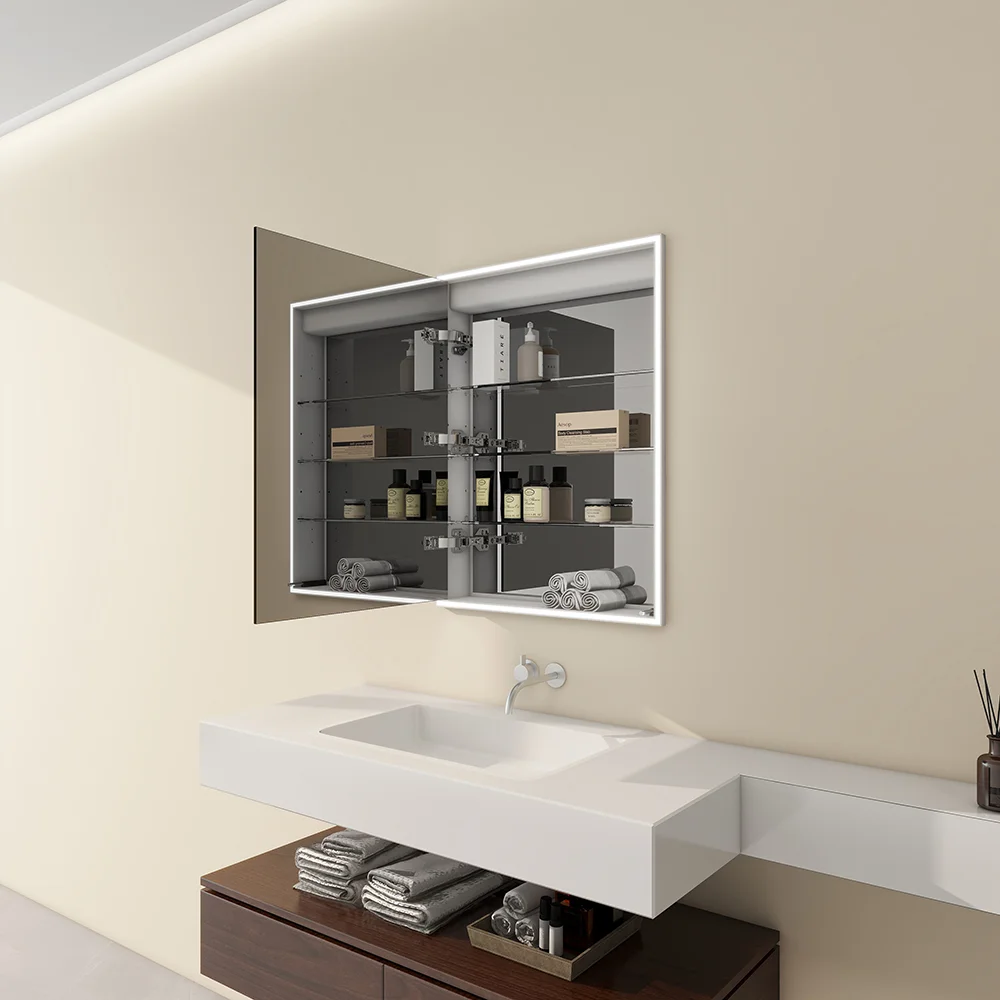
The wall behind a bathroom usually sits next to a bedroom or a living room. Removing drywall to put in a cabinet takes away a key sound block. Water sounds, talks, or the drone of an electric toothbrush move through with ease.
Understanding the Impact of Recessed Medicine Cabinet Installation on Wall Soundproofing
The “Sound Bridge” Effect Caused by Wall Penetration
Standard interior walls use gypsum board and air gaps to stop sound. Cutting a hole for a recessed medicine cabinet breaks this steady block. Sound waves move like water, seeking the simplest route through the slim back of a cabinet into the wall gap. This “sound bridge” lowers a wall’s full protection by 10 to 15 decibels if installers skip treatment.
How Bathroom Environments Amplify Noise Transmission
Bathrooms hold solid faces like tile, glass, and stone that send back sound waves and form repeats. Medicine cabinets go in at ear height most times, so cabinets work as straight channels for air sound. Fixing this calls for expert action to confirm that a rich bathroom plan avoids harming sound quiet in rooms close by.
Material Excellence: How Recessed Medicine Cabinets Enhance Acoustic Performance
High-Density Aluminum Bodies and Structural Rigidity
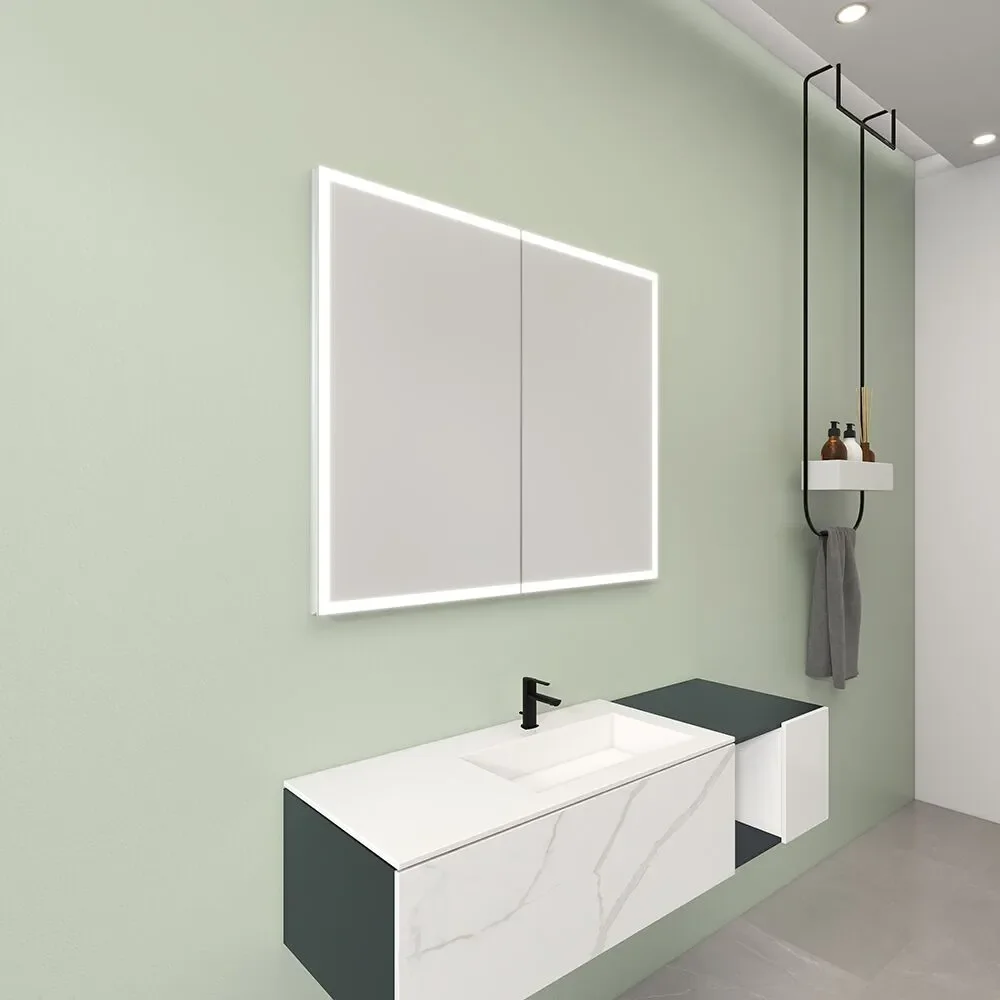
The first line of defense is the material of the cabinet itself. Flimsy plastic or thin wood backings offer little resistance to sound. Eternamir Bath products, such as the EMI.842 series, show rust-proof flat silver aluminum frames. Aluminum fits wet areas well, and the high density aids in sending back and taking in sound power better than plastic, cutting shakes at the start.
5mm Copper-Free Mirrors Providing a Mass Barrier
In sound work, weight stands central to stopping sound. Employing 5mm green copper-free silver mirrors gives a much heavier block than field-standard 3mm mirrors. This added mass acts as a functional shield to reflect sound back into the bathroom. Additionally, including a safety backing on the glass helps dissipate vibration energy on a microscopic level.
Synergy of Integrated Gaskets and Silent Hardware
Cabinets fitted with good soft-close hinges stop the loud bang of doors hitting. Designs show built-in gaskets more key. Gaskets mainly shield from water and dirt, but gaskets make a tight seal that stops air sound routes. When the door is closed, the interior becomes a sealed chamber that further weakens sound escape.
Technical Installation Guide: Maintaining STC Ratings for Recessed Medicine Cabinets
Acoustic Wrapping within the Wall Cavity
A fine cabinet calls for careful fitting. Before pushing the unit into the wall, wrap the back and sides of the aluminum box with acoustic putty pads or Mass Loaded Vinyl (MLV). This step brings steady weight to the cabinet outside, vital for stopping deep sound from moving through the wall.
Utilizing High-Density Mineral Wool to Fill Gaps
Inside the wall, selecting the filler matters greatly. Regular fiberglass lets air pass too freely for solid sound blocking. Fill the stud spaces around the cabinet with dense mineral wool. The fiber setup of mineral wool traps and uses sound power, making up for the drywall cut out in the recessed medicine cabinet fitting.
Application of Acoustic Sealant on Perimeter Edges
A little space always lingers between the cabinet flange and the drywall. Use soft acoustic sealant for these borders over usual silicone. Acoustic sealant keeps bendy and skips breaking as the building shifts, giving a lasting tight seal that ends the “keyhole effect” where sound slips through tiny splits.
Why Choose Eternamir Bath for Your Sound-Sensitive Custom Projects?
International Certifications and Quality Management
Set in Foshan, Eternamir Bath runs an 8,000-square-meter site under ISO 9001:2015 rules. Products gain marks like cETL, ETL, cUL, UL, CE, SAA, UKCA, and RoHS. This ensures that our cabinets are not only electrically safe but also structurally consistent, providing a reliable foundation for high-standard acoustic installations.
Experience Serving Over 500 Global High-End Hotels
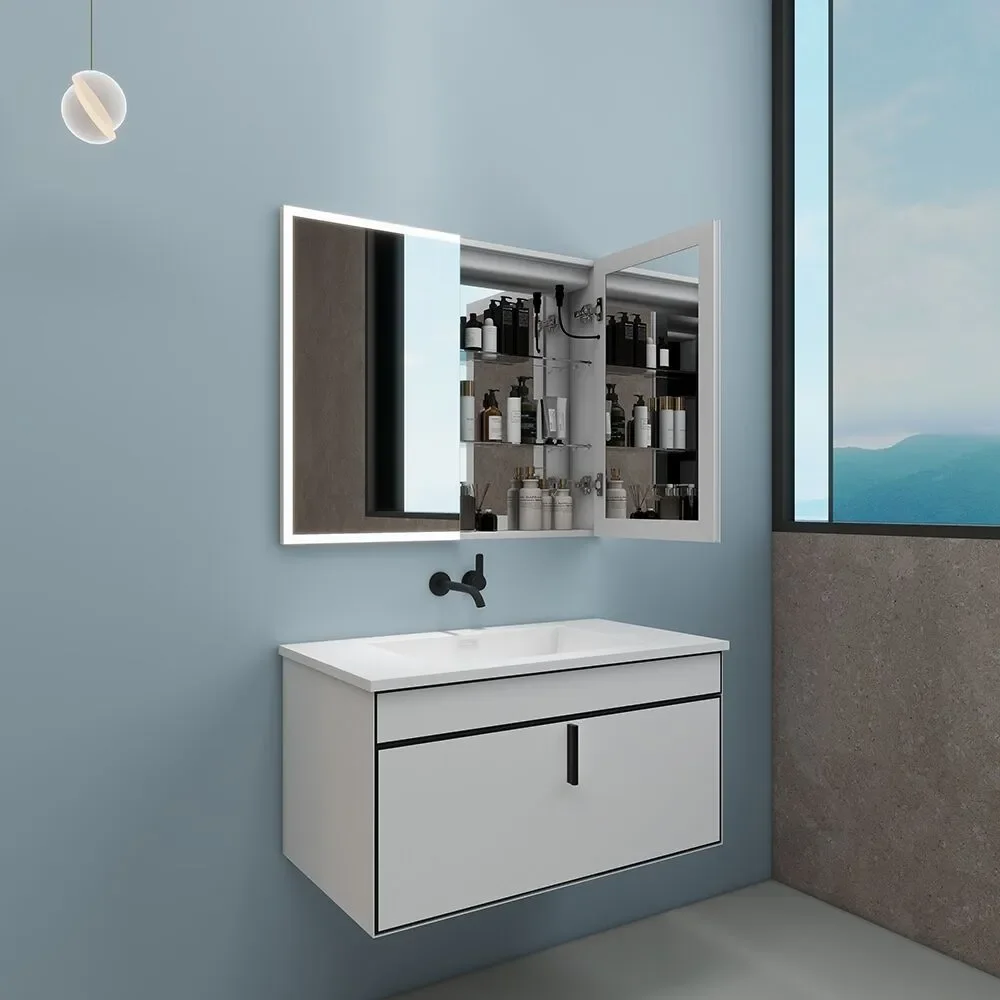
In the past decade, solutions go to brands like Disney, Hilton, Sheraton, IHG, and Marriott. In fine hotels, guest quiet ranks as a main measure. The skilled research and development team at Eternamir Bath tailors cabinet sizes to match set wall spaces and build needs, confirming the item works well under hard sound tests.
FAQ: Common Concerns Regarding Recessed Medicine Cabinets and Sound Privacy
Q: Does a recessed medicine cabinet always make the bathroom noisier for the next room?
A: Not always. Cutting the wall makes a soft spot, but a dense Eternamir Bath aluminum cabinet with skilled items like putty pads and mineral wool brings back the wall’s first STC level. Density in items and tightness in the seal play the main part.
Q: What is the most effective insulation for a recessed installation?
A: Dense mineral wool makes the top pick. Sound-trapping skills beat those of regular fiberglass by far. For peak outcomes, apply MLV sheets to the cabinet back to raise deep sound blocking.
Q: Can I install a recessed medicine cabinet in a shared wall between a bathroom and a bedroom?
A: Yes, but add special steps. Select Eternamir Bath models with full sealed back panels (such as the EMI.841 series) and place another layer of sound-rated gypsum board or MLV behind the unit to confirm total quiet in the bedroom.
Q: Are surface-mount cabinets better for soundproofing than recessed ones?
A: In practice, yes, since surface-mount units leave the drywall whole. Still, using the sound building methods in this guide lets a recessed fitting reach almost the same results. For seekers of basic style, the recessed path stays the better pick.
Q: What are the installation depth requirements for Eternamir Bath cabinets?
A: Standard recessed units fit common 4-inch wall spaces. For jobs with set sound wants, the research and development team at Eternamir Bath adjusts the depth to fit more sound blocking layers, hitting a fine mix of looks and working calm.
