



OEM Medicine Cabinet Sample Approval Checklist
Time : October 22, 2026 View : 36
The cabinet on the table is only half the approval. The other half is the trail behind it: a drawing revision, a BOM, finish references, test results, open corrections, and the names of the people who signed. Without that trail, “approved” has little practical meaning once production starts. This OEM medicine cabinet checklist gives private-label sourcing and QA teams a way to turn one reviewed unit into a reference that can be checked again.
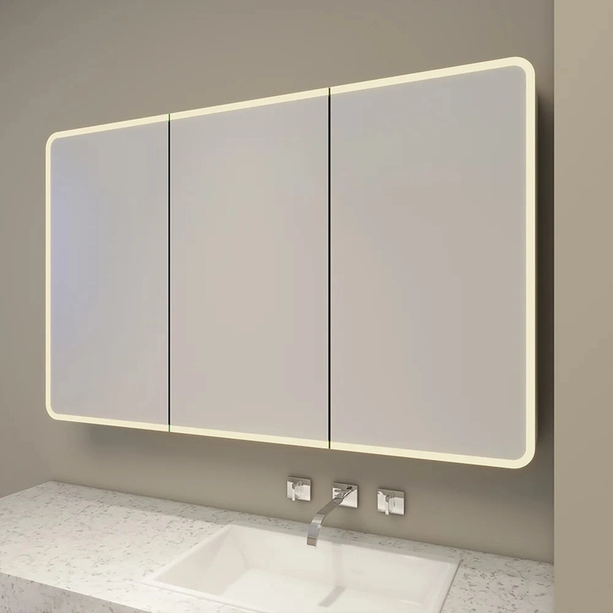
Lock the OEM Medicine Cabinet Approval Basis
Confirm Drawing, BOM, Finish, and Revision
Read the drawing beside the BOM; each feature should lead to its material and component. Add a signed finish chip, retained sample, or measurable standard. A quotation may name the finish without giving workable limits for color, texture, or tolerance.
The model name gets the reviewer only as far as two doors and stainless steel. On the bench, the approved combination is the sample plus the cited drawing and BOM. A factory substitution—even one hidden after assembly—comes back for review.
Identify the Physical Sample and Required Evidence
A photo called “cabinet on workbench” will not help six months from now. Use one sample ID on the tag, review sheet, and photo folder, along with the project, supplier, date, revision, and reviewer. Take the whole cabinet first. Then capture its labels, connections, edges, hardware, packing, and defects.
Record who holds the OEM medicine cabinet golden sample and where. Buyer and factory units need matching IDs and status. If no unit is kept, agree on the photo views and a scale. The status must release, limit, or reject the sample; “reviewed” tells production nothing.
Inspect the OEM Medicine Cabinet Sample Against the Checklist
Compare the unit with approved files, not memory or a showroom sample. An OEM medicine cabinet may look acceptable while its dimensions, mounting, functions, labels, or packing differ from the order. Record the requirement, observed result, evidence, and disposition. Use measurements or specified tests instead of visual opinion.
| Approval Area | What to Compare | Evidence and Decision Field |
| Identity and revisions | Model, project code, drawing, BOM, finish, artwork, and packaging revision | Document numbers, revision dates, sample ID, evaluator |
| Dimensions and mounting | Overall and box size, depth, openings, brackets, holes, clearances, mounting method | Measurements, annotated drawing, photos, disposition |
| Door set and cabinet body | Ordered material and door count; how the doors align, move, and close; shelves, edges, fasteners | Photos, open-and-close check, marked defect, decision |
| Mirror and finish | Mirror type, specified safety treatment, edge quality, color, gloss, texture, damage, distortion | Approved reference, viewing conditions, photos, acceptance limit |
| Lighting and electrical configuration | LED layout, driver, controls, socket, wiring, labels, voltage, connection, specified functions | BOM match, label photos, functional result, test record |
| Branding and user information | Logo, rating label, carton marks, instructions, accessories, market language | Artwork revision, label photo, contents check |
| Packaging | Inner protection, hardware bag, shelf protection, carton, specified test, identification | Packing photos, packaging specification, required test report |
Do not paste in a master feature list; it may add unordered options. Build this OEM medicine cabinet checklist from the purchase files. Shelves, hinges, door count, sockets, hidden wiring, and mounting vary across Eternamir Bath configurations. Here, the drawing and BOM have the final word.
Lighting needs separate evidence when it is ordered. Eternamir Bath tests each batch of LED strips with an integrating sphere against customization requirements. The OEM medicine cabinet approval should still identify the project’s approved lighting parameters and component references; one batch result does not define every model.
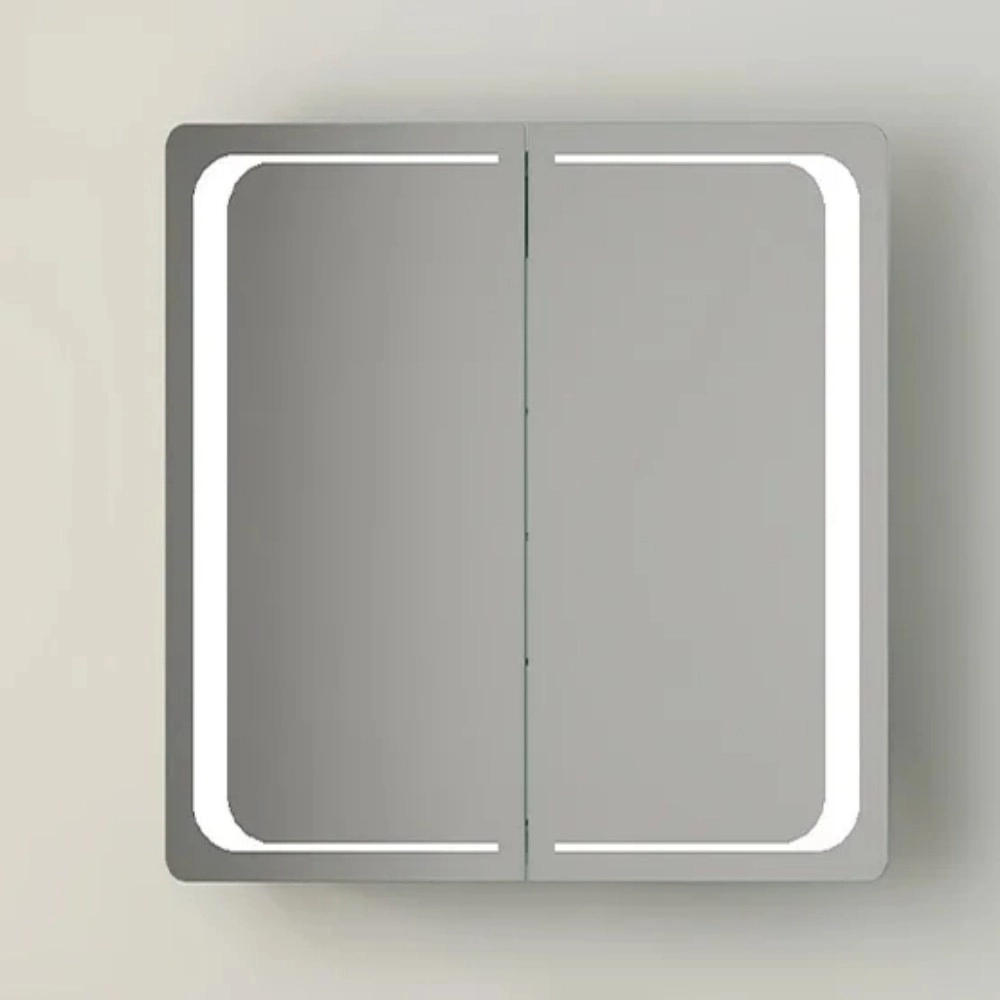
Close OEM Medicine Cabinet Sample Deviations
Swap notes with a teammate after the inspection, with no spoken explanation allowed. Could they locate the issue and know what closes it? If not, fill in the blanks: exact spot, requested change, owner, due date, recheck, and proof.
Classify Findings and Assign Corrective Action
Two millimeters can be harmless on a hidden rear surface and serious at wire clearance. Choose the rating from the project’s severity matrix; beside it, explain why. A conditional release must also name the work left, who owns it, and the evidence still due.
Never close a row with “noted.” Say what happens next—accepted, photo or measurement due, retest, or replacement sample. An accepted difference also changes the master requirement, so bring the file into line.
Decide When to Retest or Request a New Sample
Picture the cabinet at the wall. Has the change moved its fit, use, appearance, construction, electrical work, safety information, or labelling? A yes points to a new sample. For a spelling correction, file review may be enough; say why in the record.
When the corrected OEM medicine cabinet sample returns, repeat the failed check and its knock-on effects. A new hinge may shift alignment; an outlet move may reduce shelf clearance. Link the new evidence ID to the original finding and keep both.
Release the OEM Medicine Cabinet Golden Sample with Change Control
At release, record the OEM medicine cabinet sample ID, document revisions, open conditions, signatories, date, and production status. Required roles sign under the buyer’s responsibility matrix. State who keeps the reference and where production inspectors can find its evidence.
| Change-Control Field | Required Entry |
| Approved baseline | Sample ID plus drawing, BOM, finish, artwork, label, and packaging revisions |
| Approval status | Pick one: approved, conditionally approved with its open items, or rejected |
| Sign-off | Who signed, their role and organization, the date, and any limit on the approval |
| Production release | Purchase order or project reference, approved quantity or phase, and release date |
| Change request | Requested change, reason, affected documents and features, risk review, owner, and decision |
| Revalidation | Proof still required, checks to run again, and whether another sample is needed |
Factories sometimes call a substitute “equivalent.” That word does not approve the switch. Send the buyer the material, construction, finish, function, label, or packing change. Risk determines the response: file review, selected checks, or another OEM medicine cabinet sample. Meanwhile, build to the golden sample.
FAQ
Q: What should an OEM medicine cabinet sample approval checklist include?
A: A good checklist lets a stranger replay the decision. The reader should be able to match one physical unit to the files, measurements, operating checks, and photographs from the review. Keep the deviations and signatures there too, along with the sample’s location and the rule for any later change. The OEM medicine cabinet approval should make sense without the original inspector.
Q: Who should sign an OEM medicine cabinet golden sample?
A: The signing group follows the buyer’s responsibility matrix. Sourcing and quality often participate; engineering, product development, the supplier, or compliance joins when its requirements are involved. Keep the role, organization, date, approval limit, and open conditions beside each name. Unexplained initials will not help later.
Q: How should buyers record deviations before OEM medicine cabinet production?
A: Keep one record for each deviation. Show the requirement and actual difference, then the location, effect, owner, correction, due date, verification method, evidence, and disposition. Retain the original finding after closure. If the accepted condition changes the OEM medicine cabinet, revise the affected drawing, BOM, finish, label, or packaging file.
Q: When does an OEM medicine cabinet change require a new sample?
A: Put the proposed change beside the OEM medicine cabinet approval and look for knock-on effects. Ask for another unit when fit, mounting, door geometry, assembly, mirror construction, electrical setup, temperature, safety, labels, or appearance could shift. If the impact stays on paper, record why a document check is enough.
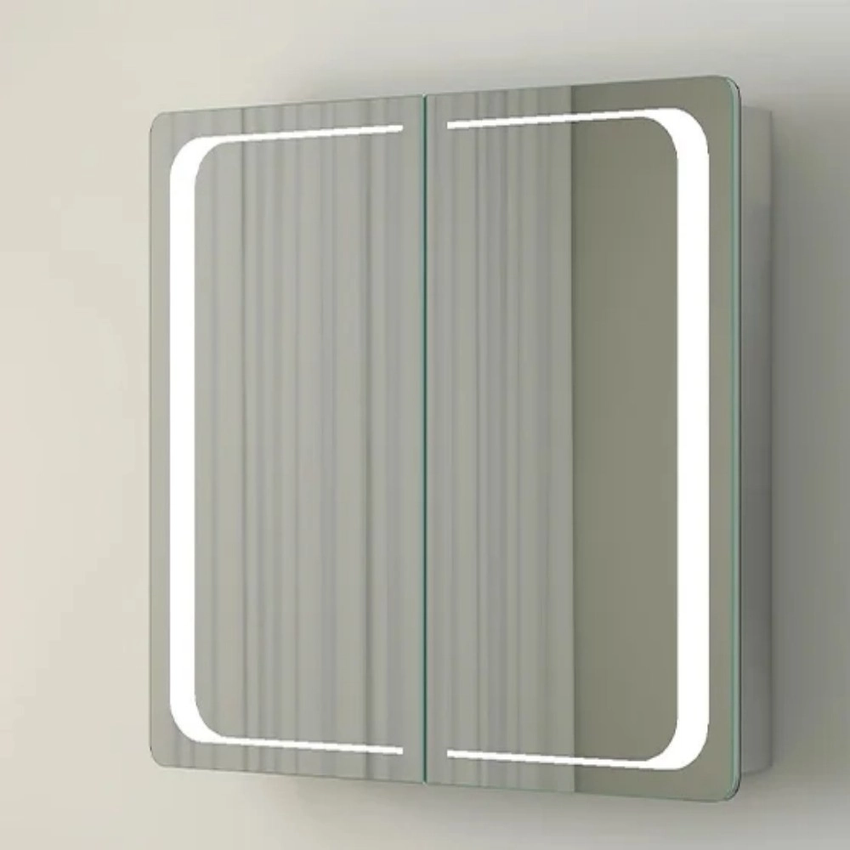
Q: What should buyers check on an OEM two-door stainless medicine cabinet sample?
A: Set the cabinet on a level surface. Compare its mounting pattern and case size with the drawing, then run both doors several times. Follow the BOM while looking at the mirror, shelves, finish, labels, packing, and ordered electrical work. Give every mismatch a location, correction, and closing proof.
