



Mirror Cabinet Shelf Clips: Confirm the Part Before Replacement
Time : November 10, 2026 View : 61
Mirror Cabinet Shelf Clips: Confirm the Part Before Replacement
A replacement shelf clip needs a cabinet identity before it needs a purchase order. The loose piece in a maintenance drawer may be useful, but only if someone knows where it came from. For the first enquiry, work from the bathroom that needs attention. Identify the cabinet, show the affected shelf and explain what’s missing or damaged. Leave that shelf out of use until the applicable component and handling instructions have been established.
Which cabinet needs the part?
The bathroom location and the product reference do different jobs. One helps maintenance find the unit; the other helps the supplier identify it. Include both where possible. With two similar cabinets in the same bathroom, mark the affected one in a photograph. Otherwise, even a reply carrying the correct room number can leave someone choosing between them.
Product configuration matters here. Some Eternamir Bath bathroom mirror products include adjustable tempered glass shelves with plastic supports. The enquiry still needs to identify the particular unit. That detail doesn’t make an unidentified clip suitable for every cabinet with a glass shelf.
An old order can be a useful place to look, though missing paperwork needn’t stop the initial request. Send whatever remains: an order reference, a readable label and photographs. Say plainly when the model is unknown. Don’t turn a likely match into a definite model number simply to fill the space in an email.
What should the photographs show?
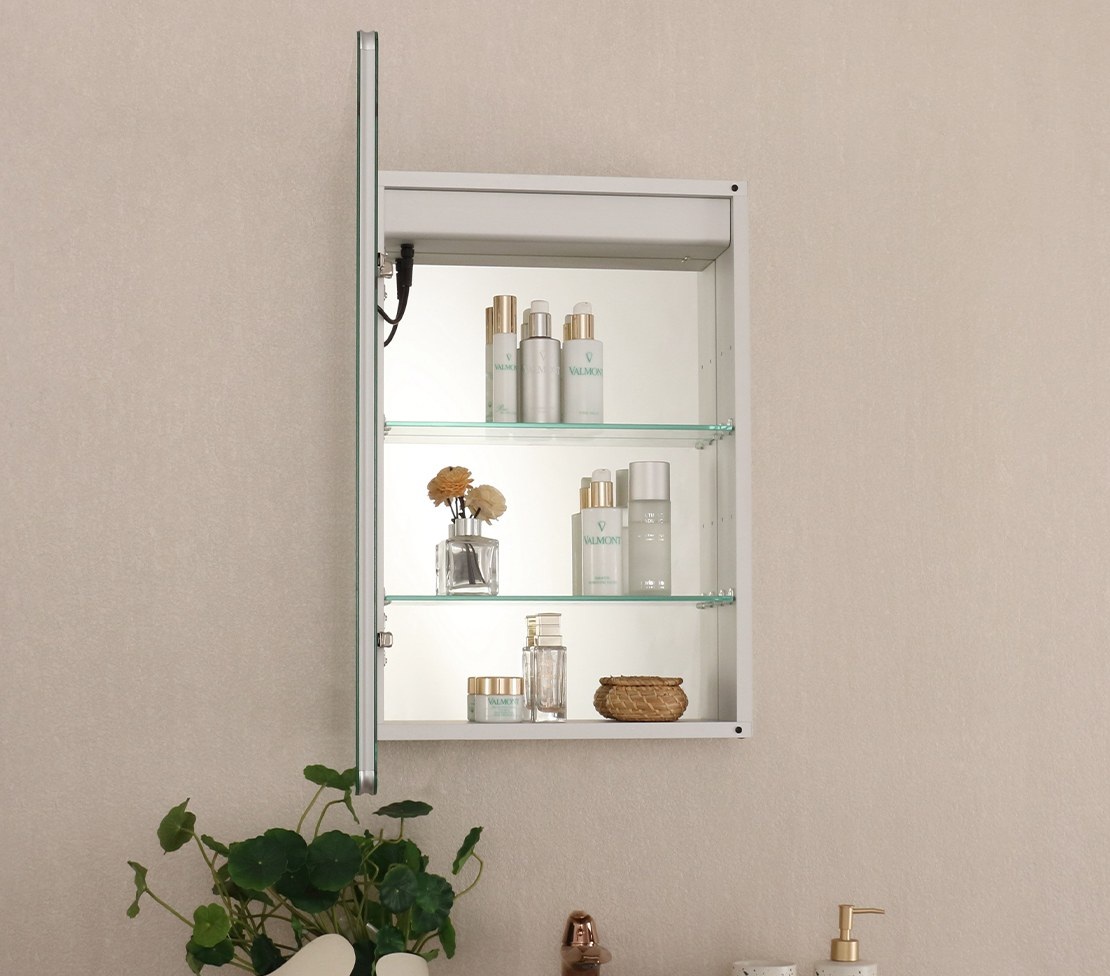
Give the person receiving the enquiry a route into the close-up. A whole-cabinet view establishes the unit. A compartment view locates the shelf. Closer pictures can then show the support and its connection where these are safely visible. Keep that sequence together if several bathrooms have outstanding jobs.
Leave hidden details as open questions
A shelf may obscure part of its support. Describe what’s hidden and ask which view is needed next. There’s no requirement to improvise a dismantling procedure for the first email. Glass handling and any necessary removal belong with competent personnel following the applicable guidance.
The description should be as straightforward as the photographs. Write “piece missing” or “visible crack” when that’s what has been observed. A displaced shelf is another observation to include. The cause may still need investigation; the recipient can begin identifying a component without being given a diagnosis that nobody has established.
Give a loose original its own label
An original already retained safely should stay separate from candidate spares. Put it in a labelled container and keep that identity with its photographs. A simple cabinet and compartment reference is enough to connect it to the enquiry. The date can help distinguish it from another job opened later.
This small separation pays off when a reply asks to see the back of the piece. The original is still there to photograph. With several unlabelled clips in one bag, the person replying would first have to work out which one was removed from the affected cabinet.
Which reference belongs on the order?
Ask for an approved replacement for the identified installation. The selected mirror cabinet configurations provide the product context, while the cabinet details and fitting views describe this job. Include the reference on a proposed spare if one is available. Colour and a similar outline are useful descriptions, but they don’t establish its application.
|
Information available |
Send this detail |
Purpose |
|
Product label |
Readable model or reference |
Identify the cabinet |
|
Order paperwork |
Relevant order details |
Help trace the unit |
|
Installed support |
Visible fitting photographs |
Describe the arrangement |
|
Retained original |
Separate labelled photographs |
Preserve its identity |
|
Candidate spare |
Reference and views |
Check its application |
A new reference on the supplier’s reply calls for a short explanation. Does it apply to this cabinet version, and which instructions accompany it? Pass that answer to purchasing and maintenance together. The component should arrive with enough information for the next person to understand why it was selected.
Keep any candidate unaltered while that question is open. Filing, packing or forcing it into place changes the piece being discussed. If the mismatch is visible, photograph it and return to the supplier. A repair proposal needs to be resolved before anyone tries to make an uncertain spare fit.
Who picks up the job next?
The maintenance handover should identify the unavailable shelf and the outstanding enquiry. That prevents a shift change from taking the conversation back to the beginning. Leave intact neighbouring supports attached; borrowing one creates another incomplete arrangement. Any further inspection can be planned as part of the job under the relevant guidance.
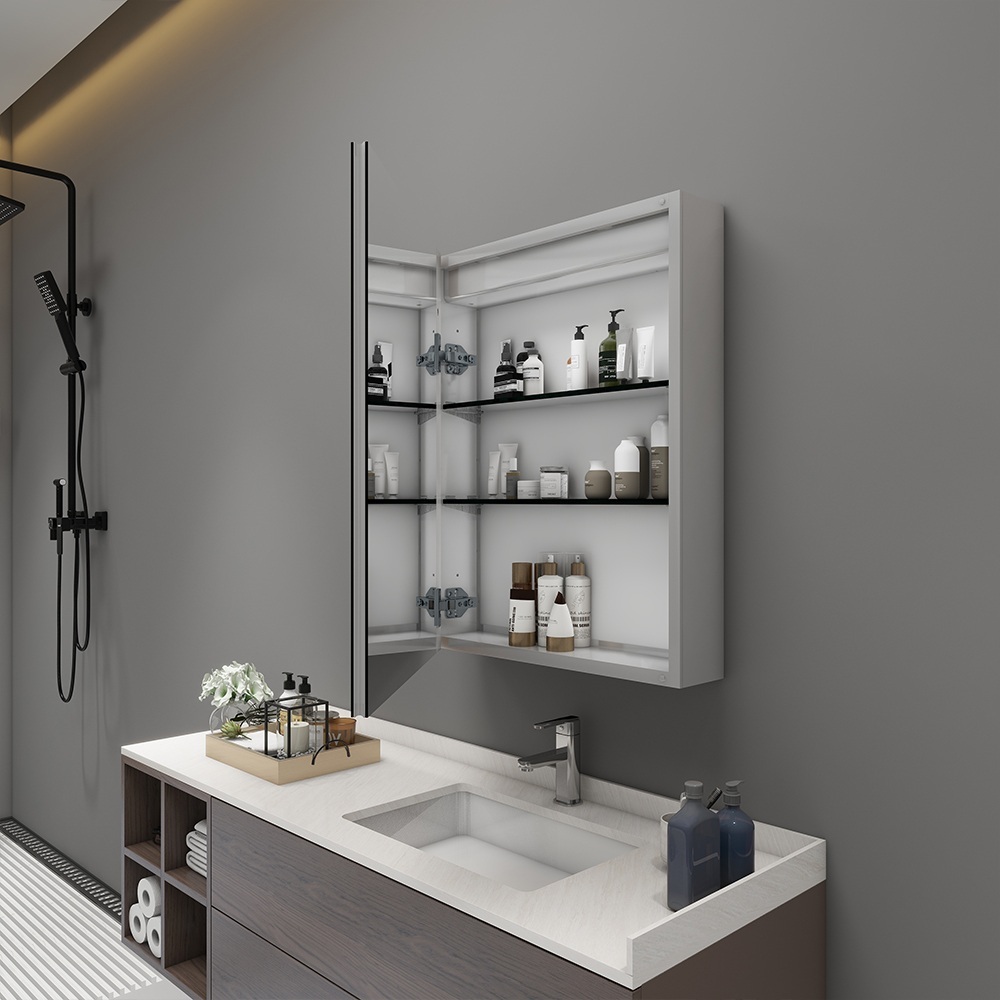
For the Eternamir Bath service team, gather the essentials in one message:
- Cabinet location and available product details.
- A description of the issue and any missing information.
- Pictures from the whole unit to the fitting.
- References for the original or proposed component.
- A request for the applicable part and handling instructions.
Once the part has been identified, purchasing can ask about availability. An enquiry by itself isn’t a stock or delivery commitment. Retain the reply with the maintenance entry, then add the responsible team’s completion status when the work is finished.
The approved replacement needs a resolved identity that stays with the cabinet. Label any retained approved replacement for that application, so a future enquiry starts with a reference. Ask Eternamir Bath about the cabinet support with the unit details and fitting photographs ready.
FAQ
Q:Can colour identify mirror cabinet shelf clips?
It helps describe a piece. The cabinet application and component reference are still needed before arranging replacement.
Q:What if the model label can’t be found?
State that the model is unknown. Send available order details and photographs, including any labels that can be read safely.
Q:Should a neighbouring support be borrowed?
Leave intact supports attached. Removing one creates another incomplete arrangement that would also need attention.
Q:Can a trial load settle the choice?
It doesn’t resolve the spare’s identity. Keep the affected shelf unavailable while the applicable component and instructions are being established.
Q:What should be kept after the job?
Retain the cabinet and part references, supplier correspondence, applicable instructions and final maintenance status. Link any spare to that same application.
