



Medicine Cabinet with Outlet: Custom Guide for 2026
Time : August 06, 2026 View : 209
A crowded vanity often begins with an electric toothbrush, shaver, skincare tool, and several chargers. Exposed cords soon make the bathroom harder to organize and clean. A medicine cabinet with an outlet combines storage and power, keeping compatible devices behind the mirrored door.
Buyers must still compare mounting method, depth, shelf layout, electrical rating, mirror construction, and supplier support. This guide covers the main decisions for residential and project buyers.
Why Choose a Medicine Cabinet with an Outlet?
What Problems Does an Internal Outlet Solve?
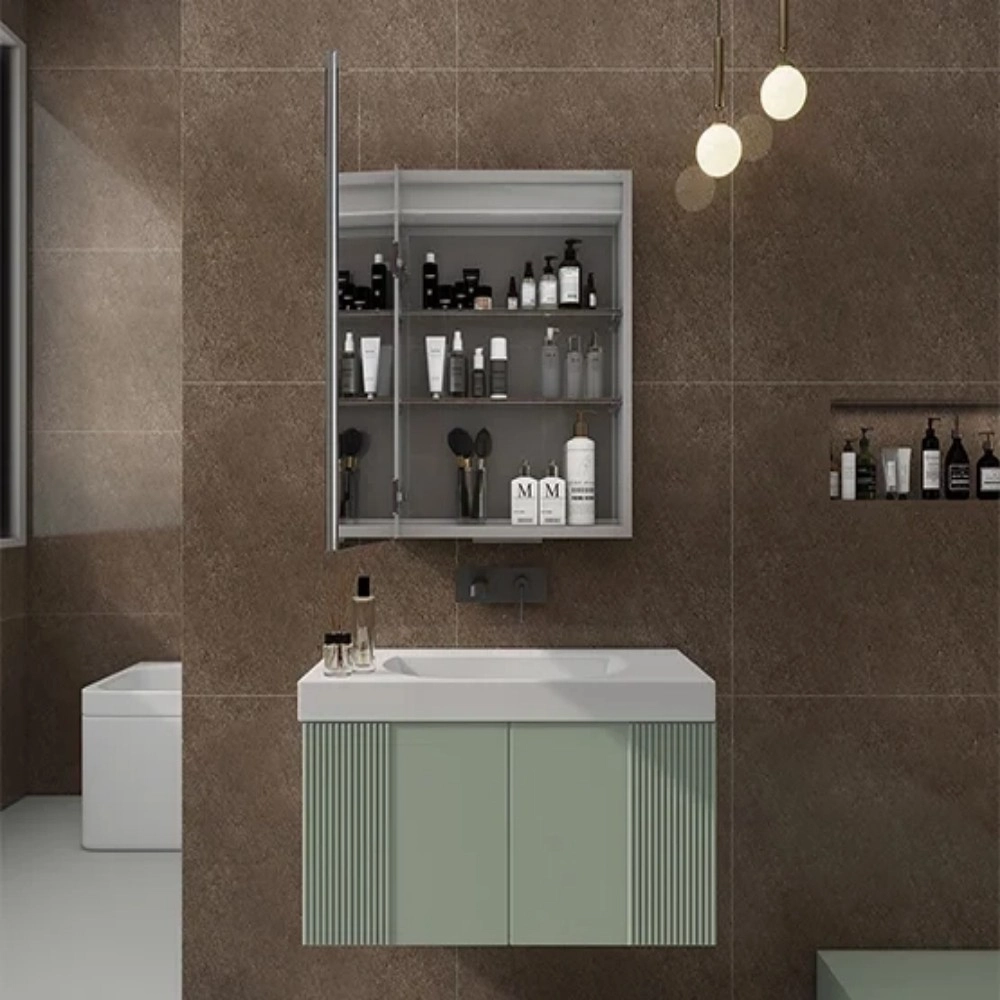
An internal power point turns a mirror cabinet into a charging and storage station. Users can place a toothbrush base or shaver adapter inside instead of beside the basin. This reduces visible cables, releases countertop space, and limits splash exposure.
The concept suits apartments, hotels, shared bathrooms, and premium homes. Check plug shape, adapter size, cable direction, and shelf clearance. A poorly located socket may block bottles or reduce storage.
Outlet vs. USB Port vs. Shaver Socket: What Is the Difference?
These options serve different purposes. A standard outlet accepts compatible devices within its rated voltage and load. A USB port charges supported electronics without a separate wall adapter. A shaver socket inside bathroom cabinet products is generally intended for compatible low-power grooming equipment and may use a market-specific configuration.
The right choice depends on the destination market and user routine. A hotel may prioritize a shaver socket, while a home cabinet may need space for an electric toothbrush charger. Never assume that a socket supports a high-power appliance simply because the plug fits.
How to Choose the Right Cabinet Configuration
Recessed vs. Surface-Mount Medicine Cabinets with Outlets
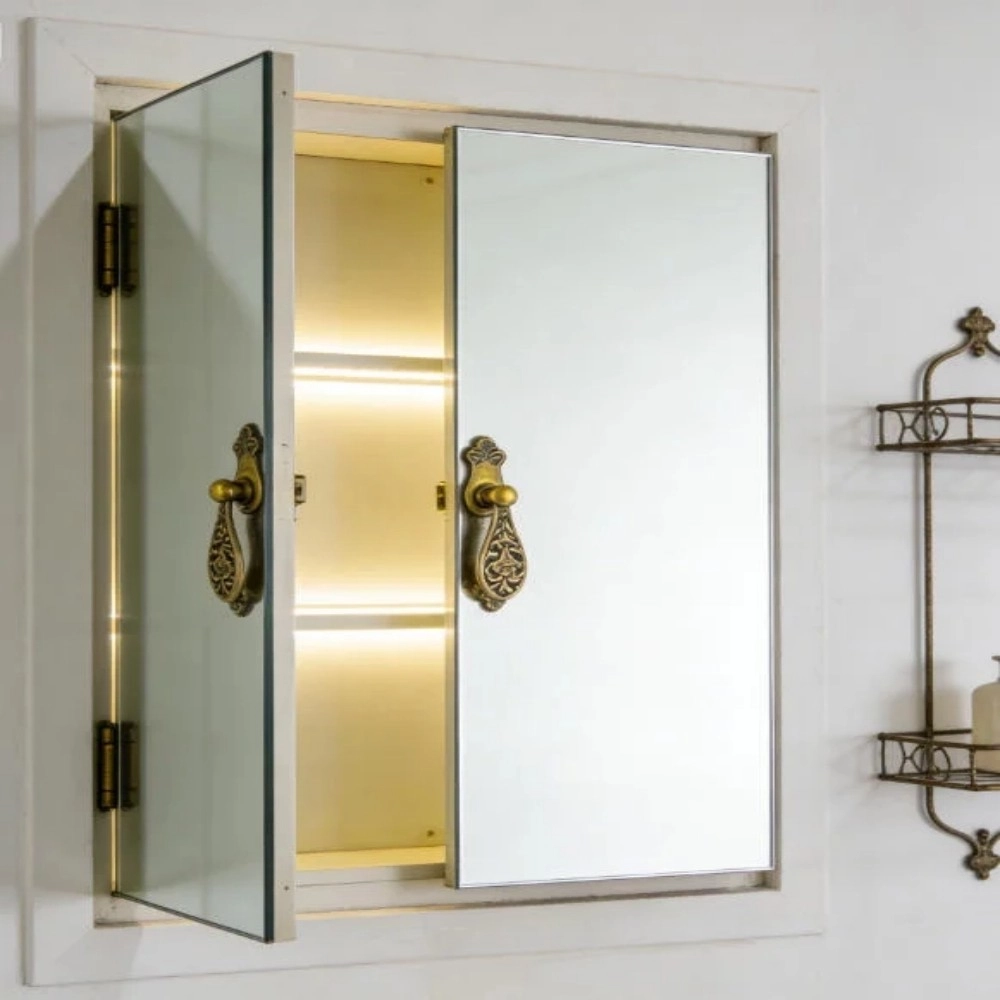
A recessed cabinet sits partly inside the wall for a flatter appearance. It suits new construction, but the cavity must be deep enough and clear of pipes, cables, and framing.
A surface-mounted cabinet attaches to the finished wall and usually requires less building work, making it practical for renovations.
Dual-mount designs can help distributors and multi-site projects use one cabinet concept across different installations. Choose the mounting method before electrical rough-in so the cable entry and socket position align correctly.
Size, Door Layout, Cabinet Depth, and Adjustable Shelving
Begin with vanity width, wall area, and user count. Single-door cabinets suit smaller rooms, while two- or three-door layouts offer broader mirror coverage.
Depth is equally important. Measure the largest bottle or charging base, then allow space for shelves, doors, and cable bends. Adjustable tempered-glass shelves help organize different item heights.
Eternamir Bath’s EMI.952 DS surface-mount LED medicine cabinet illustrates this flexibility. It is available in one-, two-, or three-door configurations, with custom sizing accepted. Listed details include adjustable tempered-glass shelves, soft-close hinges, a rust-resistant aluminum body, double-sided copper-free mirrors with safety backing, and hardwire or three-pin plug options. An outlet socket is optional rather than standard on every unit.
For example, a 60-room apartment project could standardize cabinet depth, shelf hardware, and cable entry while changing width and door count for different vanities. This improves purchasing consistency without forcing every bathroom into one layout.
Lighting, Defogging, Interior Power Placement, and Smart Features
Compare lighting by lumen output, color rendering, color temperature, driver quality, and dimming. High output alone does not guarantee comfortable illumination.
Applicable Eternamir Bath cabinet specifications include CRI 90+ LED options and selectable color temperatures from 2700K to 6000K. Depending on the model, optional functions may include dimming, night lighting, defogging, a digital clock, Bluetooth speaker, or outlet socket. Each option should be confirmed in the approved drawing and sample.
Review power placement with shelf spacing. A low socket may suit a charging base, while a side position preserves bottle height. The best configuration matches the user’s routine.
Safety and Installation Requirements
Moisture Resistance, Electrical Components, and Market Certifications
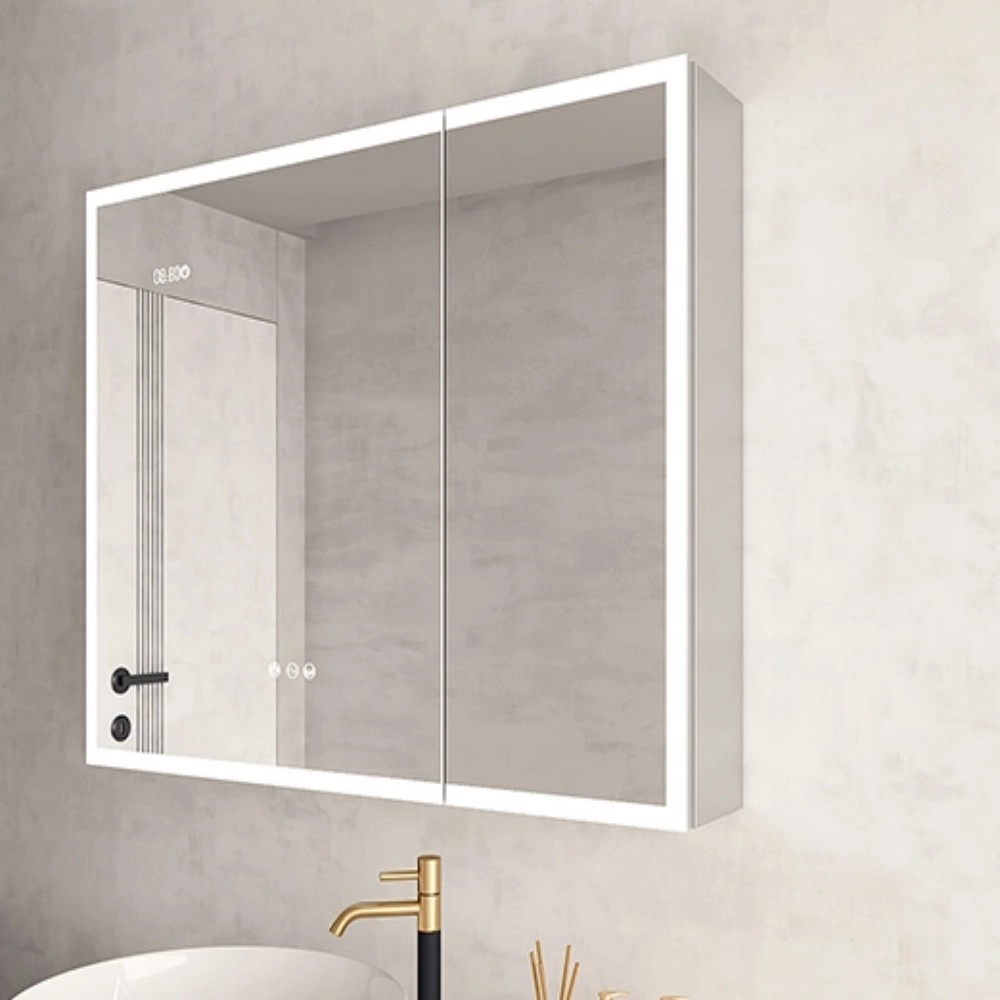
Bathroom cabinets must perform in damp conditions. Evaluate corrosion resistance, safety backing, cabinet material, hinge durability, grounding, and electrical-component quality.
At Eternamir Bath, we age-test purchased electrical parts such as LED strips, drivers, and touch switches. Our pre-shipment inspection includes lighting, high-voltage, and grounding checks. Mirror and hardware materials are sampled for corrosion resistance, and load-bearing tests help verify the connection between mirrors and supporting hardware.
Certification varies by configuration and market. Available documentation may include ETL, cETL, UL, cUL, CE, SAA, UKCA, or RoHS-related compliance, but buyers must confirm what applies to the exact product and destination.
Hardwiring, Power Limits, and Professional Installation
Many illuminated cabinets are hardwired, although certain models may offer a plug connection. Before installation, confirm:
1.Voltage and frequency
2.Maximum socket load
3.Cable-entry position
4.Grounding requirements
5.Bathroom electrical-zone rules
6.Maintenance access
A socket intended for a toothbrush or shaver should not automatically be used for a hair dryer. A qualified electrician should verify the circuit and installation location according to local regulations and the manufacturer’s instructions.
How to Customize and Source the Right Medicine Cabinet
What Defines the Best Custom Medicine Cabinets in 2026?
The best custom medicine cabinets 2026 buyers can specify are designed around project dimensions, mounting conditions, electrical standards, user habits, and maintenance.
A complete specification should define material, mirror construction, door count, shelf spacing, finish, lighting, socket type, wiring method, and certification. Serviceable electrical parts are valuable in hospitality and multi-unit projects.
How to Compare Medicine Cabinet Manufacturers
Medicine cabinet manufacturers should be judged on engineering control, repeatability, and documentation, not price alone. Ask for:
1.Dimensioned technical drawings
2.A functional preproduction sample
3.Electrical ratings and certificates
4.Lighting, grounding, corrosion, and packaging tests
5.OEM and ODM customization limits
6.Inspection records and warranty terms
7.Production capacity and spare-part support
A capable supplier should explain feature compatibility. Adding a defogger, interior lighting, and an outlet can affect wiring space, driver selection, heat management, and service access. Clear engineering feedback matters more than unverified approval.
How Eternamir Bath Supports Custom and Project Orders
At Eternamir Bath, we manufacture illuminated mirrors and medicine cabinets for residential and hospitality applications. Our production base includes two factories covering about 8,000 square meters, with stated monthly capacity above 8,000 mirror products. We support OEM and ODM development, custom sizes, and project-specific configurations.
Our medicine cabinet range includes surface-mount and surface-or-recessed models, one-, two-, and three-door layouts, adjustable glass shelving, aluminum cabinet bodies, soft-close hinges, and several lighting formats. Optional functions are reviewed by model and project rather than assumed as standard.
For an efficient quotation, provide the target market, dimensions, mounting method, door layout, outlet type, wiring method, lighting, finish, certification needs, quantity, and schedule. This helps us confirm feasibility before drawings or samples.
Medicine Cabinet with Outlet Specification Checklist
Questions to Answer Before Requesting a Quote
|
Specification |
Information to Confirm |
|
Market |
Country, voltage, frequency, and certification |
|
Dimensions |
Width, height, depth, and recessed opening |
|
Installation |
Surface, recessed, or dual-mount |
|
Storage |
Door count, hinge direction, shelves, and bottle height |
|
Power |
Socket type, position, and rated load |
|
Lighting |
Lumen target, CRI, color temperature, and dimming |
|
Materials |
Mirror, safety backing, cabinet body, and finish |
|
Wiring |
Hardwire or plug and cable-entry position |
|
Options |
Defogger, night light, clock, or other confirmed functions |
|
Order |
Quantity, packaging, branding, warranty, and delivery |
Frequently Asked Questions
Q: What can I plug into a medicine cabinet with an outlet?
A: Use only devices compatible with the socket type, voltage, and rated load. Internal outlets are commonly specified for low-power grooming or charging devices. Check the product label and manual before connecting an appliance.
Q: Is a shaver socket inside a bathroom cabinet safe?
A: It can be safe when the socket, cabinet, wiring, and installation location meet applicable electrical requirements. Product certification and professional installation remain important.
Q: Can a recessed medicine cabinet with an outlet be installed in any wall?
A: No. The wall needs sufficient cavity depth and must be clear of pipes, cables, structural framing, and other restrictions. Plan the electrical connection in advance.
Q: Does a medicine cabinet with an outlet require professional installation?
A: Hardwired models generally require a qualified electrician. Local rules may control bathroom zones, grounding, circuit protection, and permissible socket locations.
Q: What should buyers ask medicine cabinet manufacturers before placing a custom order?
A: Confirm dimensions, materials, socket specifications, voltage, certifications, testing, drawings, samples, packaging, minimum order quantity, warranty, and lead time. Record all approved details before mass production.
