



Medicine Cabinet Design: Outdated Fixture or Modern Essential?
Time : August 13, 2026 View : 91
Some buyers associate medicine cabinets with thick frames, shallow shelves, awkward doors, and a generic look. Yet the concept remains practical: combine a mirror with eye-level storage while preserving floor and vanity space.
The real question is whether the design, material, installation method, and internal layout suit the room. Modern mirror cabinets can serve homes, hotels, apartments, and large vanity walls without looking like an afterthought.
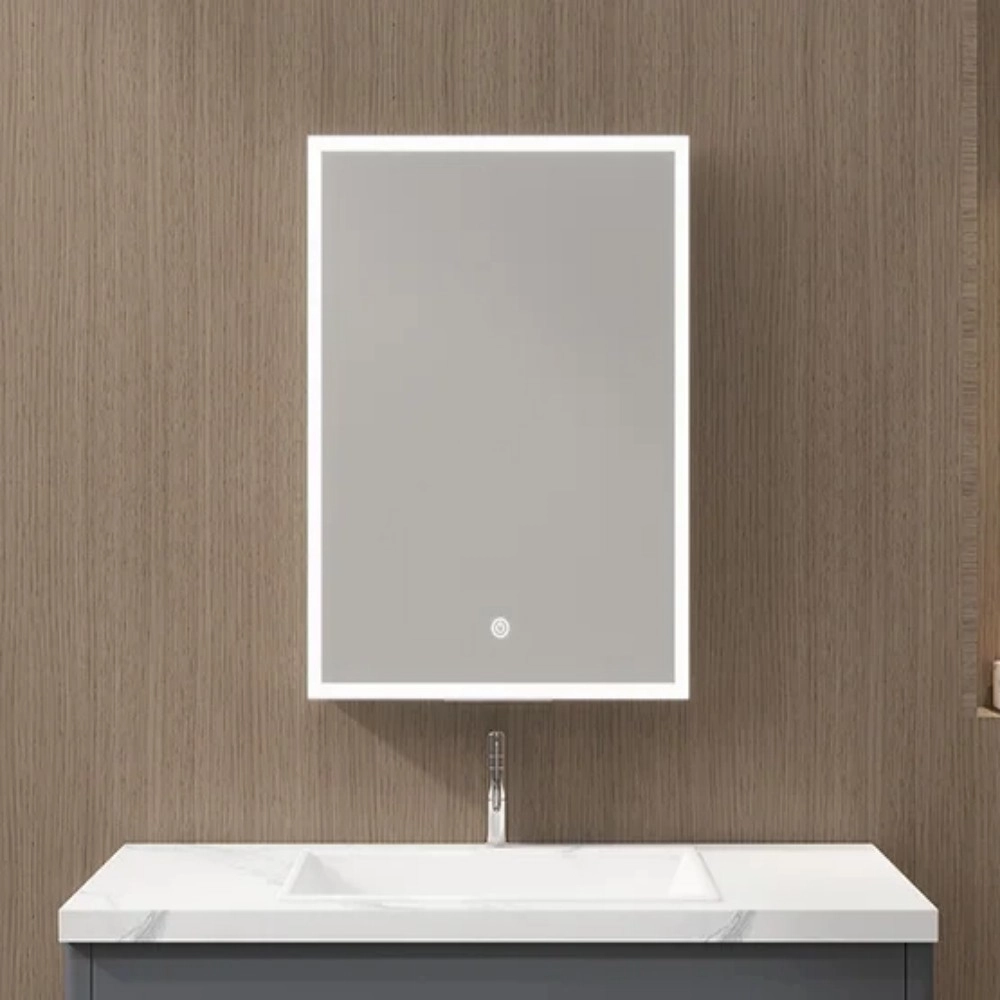
Why Do Traditional Medicine Cabinets Get a Bad Reputation?
The Builder-Basic Look That Makes Bathrooms Feel Generic
Older cabinets often relied on standard sizes, visible metal edges, and poor proportions. When a unit is too narrow for the vanity or conflicts with nearby finishes, the wall can feel unfinished.
A modern cabinet should relate to the vanity width, faucet position, lighting, and materials. Clean mirror edges and balanced door divisions help it read as part of the interior rather than a utility box.
Bulky Frames and Cabinets That Project Too Far from the Wall
Projection is a common complaint. A deep surface-mounted cabinet can interrupt sightlines in a narrow bathroom. The issue is not the mounting method itself, but depth and proportion.
|
Design concern |
Surface mount |
Recessed mount |
|
Wall preparation |
Limited opening work |
Planned wall cavity required |
|
Visual profile |
More projection |
Flatter appearance |
|
Renovation suitability |
Often easier |
Depends on wall conditions |
|
Coordination |
Moderate |
Higher |
Surface installation works when pipes, framing, or renovation limits prevent opening the wall. Recessed installation looks more integrated but requires sufficient cavity depth.
Poor Storage Layouts That Waste Interior Space
A large exterior does not guarantee useful storage. Fixed shelves can leave tall bottles sideways, while narrow openings make items difficult to reach.
Adjustable tempered glass shelves let users reorganize the interior. Soft-close hinges control door movement and reduce impact on mirrored panels. In shared bathrooms, multiple doors can create separate access zones.
Medicine Cabinet vs. Bathroom Mirror: Which Is the Better Choice?
When a Decorative Mirror Is Enough
A standard mirror works when storage already exists in drawers or a linen unit. It also gives designers more freedom with shape and framing.
Choose a decorative mirror when:
1.The vanity provides enough organized storage.
2.The wall is too shallow or crowded for a cabinet.
3.A sculptural mirror is central to the design.
4.Users do not need daily items at eye level.
The trade-off is simple: a mirror does not reduce countertop clutter.
When Hidden Eye-Level Storage Becomes More Valuable
A mirrored cabinet is more useful when toiletries, medicine, shaving products, or hotel amenities need to remain accessible yet concealed. It keeps daily items above the wet countertop.
Mini case: In a compact apartment bathroom, bottles may accumulate around the basin due to limited drawer space. A properly sized recessed medicine cabinet can preserve a clean mirror wall while adding storage without increasing the room’s footprint.
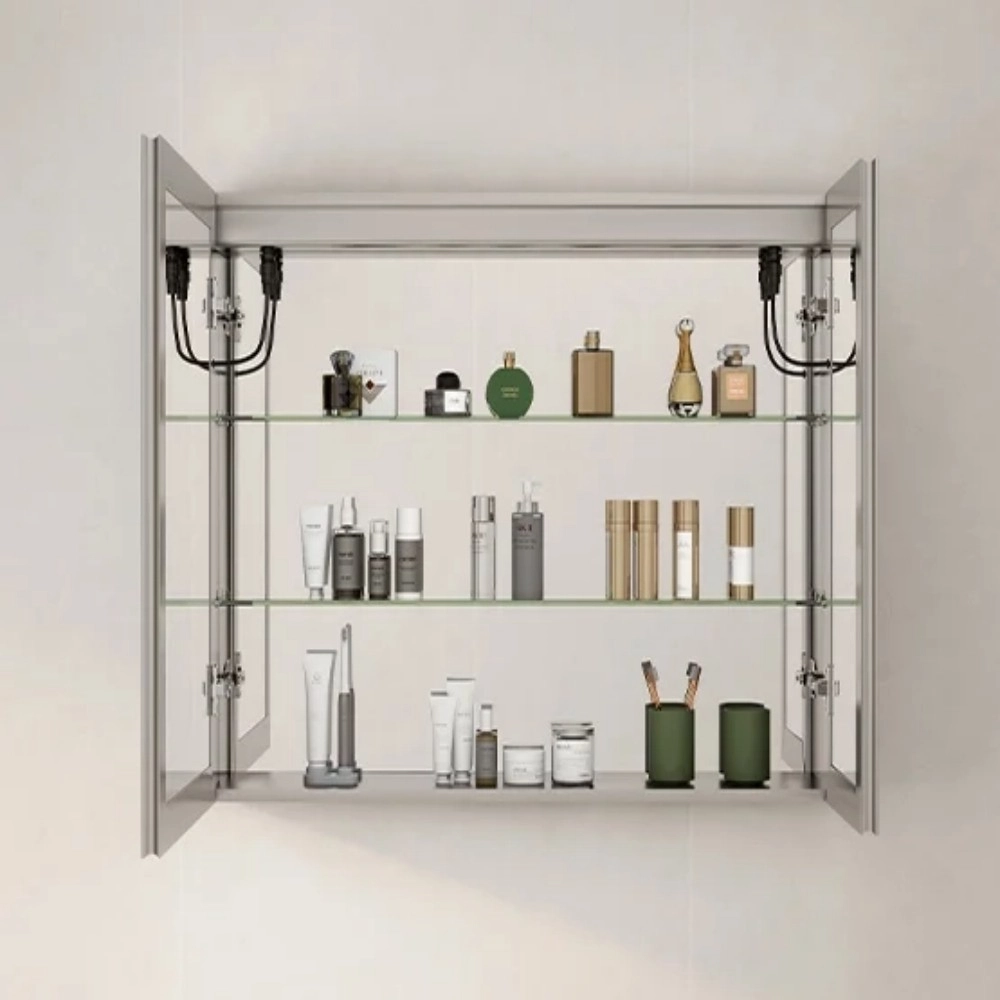
How Modern Medicine Cabinet Design Solves the Old Problems
Recessed and Surface-Mount Designs for Different Wall Conditions
The installation method should follow the wall, not fashion. Recessed models suit projects where framing, wiring, and cavity depth can be confirmed early. Surface-mounted models work well for retrofits and walls containing obstacles.
Some Eternamir Bath products support both methods. The EMI.842 DS, for example, is specified with double-sided copper-free mirror panels, safety backing, a rust-resistant matte silver aluminum body, soft-close hinges, and hardwire availability. Dual-mount flexibility helps when room conditions vary, although installation must still match approved drawings.
Integrated LED Lighting, Defogging, and Adjustable Storage
Lighting improves function only when specifications suit the application. High color rendering supports natural-looking skin tones, while selectable color temperatures help coordinate the wider lighting plan.
The Eternamir Bath EMI.952 DS lists CRI 90+ LEDs, 2700K, 3000K, 4000K, or 6000K options, interior lighting with the cabinet door, and adjustable tempered glass shelves. It is available in one-, two-, and three-door formats, with custom sizing accepted.
Depending on the selected configuration, options can include dimming, a night light, defogger, clock, Bluetooth speaker, or outlet socket. Features should be chosen according to market requirements and user needs.
Slimmer Materials, Better Hinges, and Improved Moisture Resistance
Bathrooms expose hardware, mirror edges, and cabinet bodies to persistent humidity. Aluminum combines low weight with corrosion resistance, while copper-free mirrors and safety backing support durability and breakage protection.
At Eternamir Bath, we age-test electrical accessories and inspect completed products before shipment. Our checks include lighting, high-voltage, and grounding tests, while mirrors and hardware are evaluated for corrosion resistance. We also support OEM and ODM development, custom sizes, and hospitality or residential projects.
How to Choose the Right Medicine Cabinet for a Project
Match the Cabinet Size and Door Layout to the Vanity
Start with the vanity rather than the catalog image. Single-door cabinets suit compact basins, while double or triple doors can serve wide vanities and shared bathrooms.
Check three relationships:
1.Cabinet width versus vanity width.
2.Mirror height versus faucet and ceiling clearance.
3.Door position versus side walls, sconces, and fittings.
For selected Eternamir Bath surface-mounted models, examples include single-door widths of 20 or 24 inches, double-door widths from 30 to 40 inches, and three-door widths of 48 or 60 inches. Custom dimensions are available.
Check Wall Depth, Wiring, Faucet Height, and Door Clearance
Before approval, confirm wall construction, rough opening, power supply, and wiring method. Hardwired and plug options may not suit every market equally.
Review faucet height and projection. A tall faucet can interfere with a low door, while a nearby wall can restrict hinge movement. For illuminated models, coordinate driver location, switching, dimming compatibility, and service access. Review drawings and samples before bulk ordering.
Specify the Right Features for Hotels, Apartments, and Residential Projects
Hotels may prioritize repeatable installation, easy cleaning, certification, and replacement support. Apartment developers may focus on storage, durable hinges, finish consistency, and cost control. Custom homes may emphasize lighting quality and special dimensions.
A practical specification sequence is:
1.Define the room type and user needs.
2.Select surface, recessed, or dual-mount installation.
3.Confirm cabinet size and door arrangement.
4.Choose the mirror, shelves, hinges, lighting, and options.
5.Verify certification and electrical requirements.
6.Approve drawings or samples before production.
This process reduces late changes and supports measurable supplier comparisons.
When Is a Modern Medicine Cabinet the Better Investment?
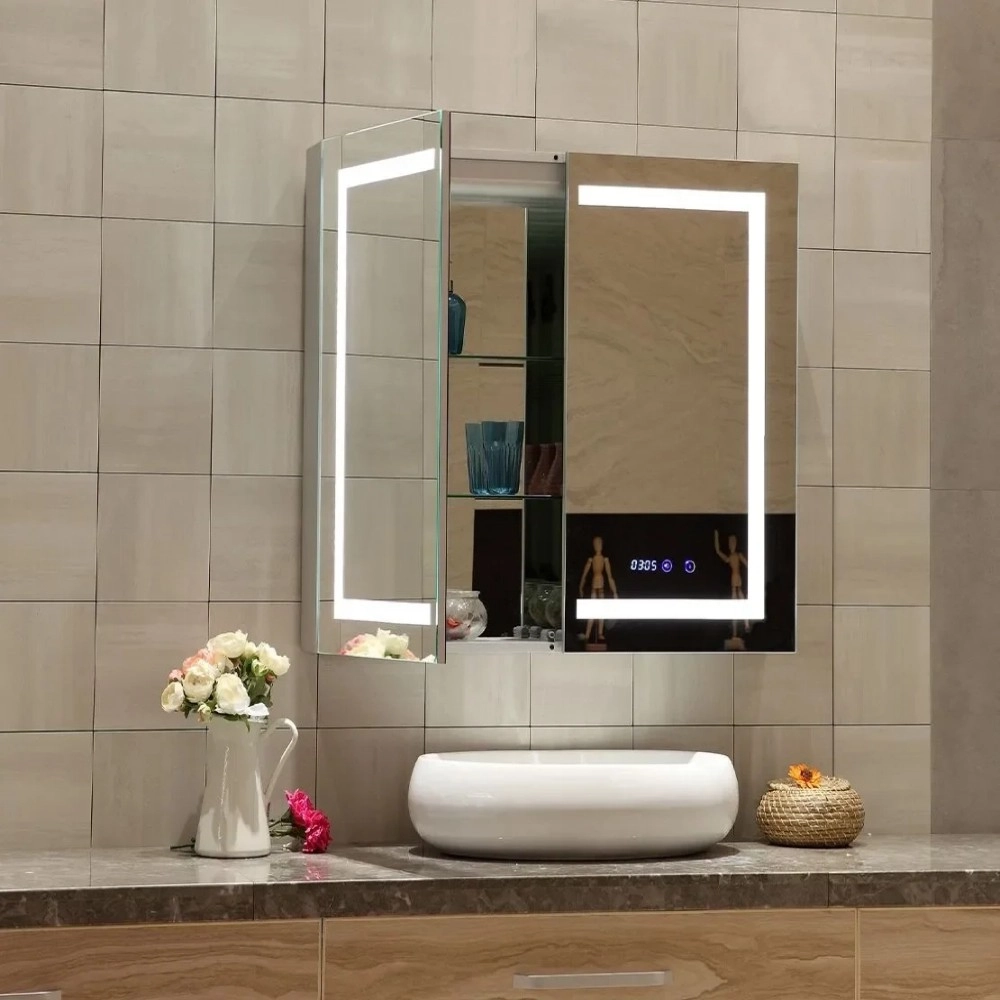
A modern cabinet is a better investment when concealed storage, efficient wall use, and a coordinated mirror are priorities. It is especially valuable in small bathrooms, hotels, apartments, and shared vanities.
The best value comes from the right mounting method, reliable materials, suitable lighting, practical shelving, and dimensions that fit the elevation. At Eternamir Bath, we provide standard and customized medicine cabinet solutions for residential and hospitality projects.
Buyers can discuss size, door configuration, finish, installation, lighting, certification, and OEM or ODM requirements before requesting drawings, samples, or a quotation.
FAQ
Q: Are medicine cabinets out of style in modern bathrooms?
A: No. Bulky, poorly proportioned models can look dated, but frameless, recessed, illuminated, and carefully sized cabinets remain relevant because they combine a mirror with concealed storage.
Q: Is a recessed medicine cabinet better than a surface mount medicine cabinet?
A: Neither is universally better. Recessed installation creates a flatter appearance, while surface mounting is often easier for renovations or walls with limited cavity depth. Wall construction should determine the choice.
Q: What size medicine cabinet should I choose for my vanity?
A: Choose a width that balances with the vanity and leaves clearance for walls, lights, faucets, and door movement. Wide vanities may suit double- or three-door layouts, while compact basins often suit single-door models.
Q: Can a lighted medicine cabinet replace a bathroom mirror and vanity light?
A: It can replace the separate mirror and provide task lighting, but it should usually work with the room’s ambient light. Review lumen output, color temperature, CRI, switching, and dimming before treating it as the main light source.
Q: What features should buyers look for in a custom medicine cabinet?
A: Review dimensions, mounting type, cabinet material, mirror safety backing, corrosion resistance, adjustable shelves, hinge quality, lighting specifications, certification, wiring, optional functions, packaging, warranty, and customization support.
