



Is a Recessed Mount Medicine Cabinet Right for Your Bathroom Design?
Time : September 02, 2026 View : 56
A recessed mount medicine cabinet places its cabinet body within the wall cavity, so the visible front can sit close to the finished wall plane. That can make the vanity wall feel calmer and more intentional, but it also makes wall conditions and early planning more important.
What Is a Recessed Mount Medicine Cabinet and How Does It Work?
Understanding the Difference Between Recessed and Surface Mount Installation
A recessed cabinet is planned into the wall rather than simply attached over the wall surface. The front remains visible as a mirror or framed cabinet face, while much of the body is contained within the wall zone. A surface-mount cabinet projects farther into the room and can be installed without creating the same wall opening.
Recessed installation can preserve a clearer circulation zone around the vanity, while surface mounting may be more practical where the wall is thin, crowded, or difficult to open. Professionals should treat the mounting method as part of the spatial plan.
For a project that needs a coordinated product family, the Recessed Mount Medicine Cabinet collection provides a useful reference for comparing recessed forms, door arrangements, and visual proportions.
Why Recessed Mount Designs Are Popular in Modern Bathrooms
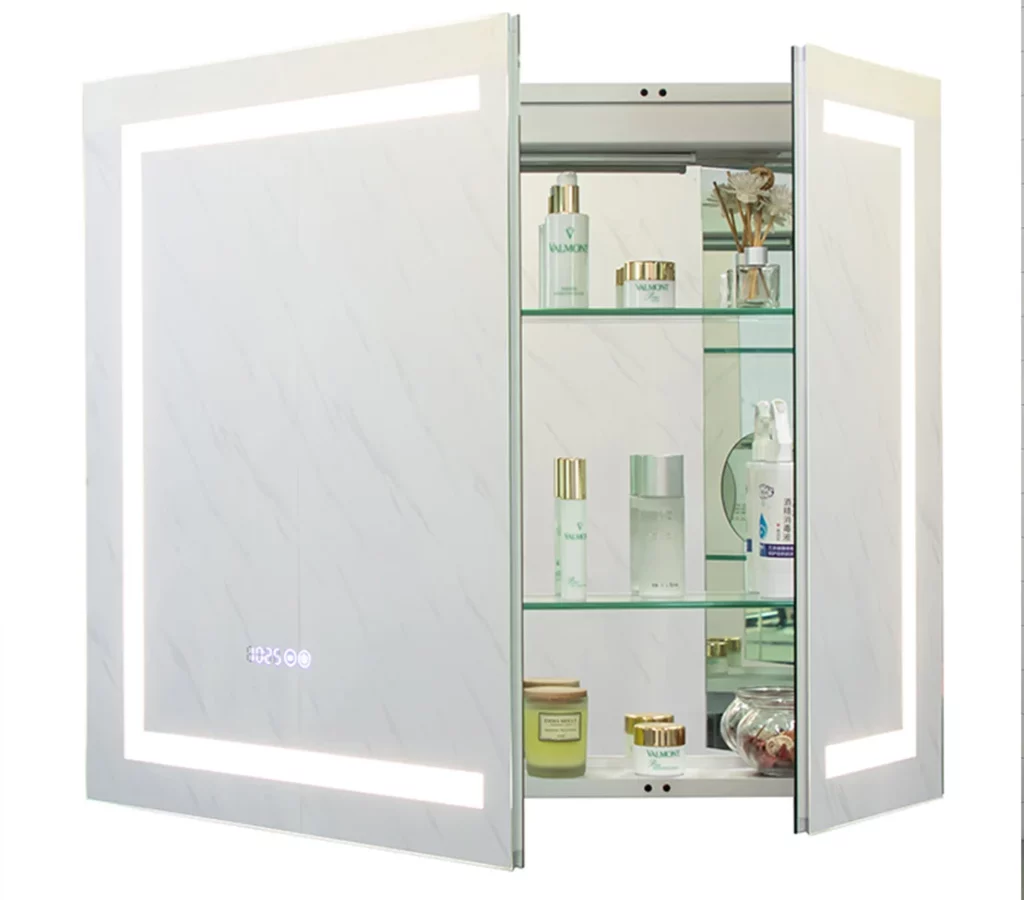
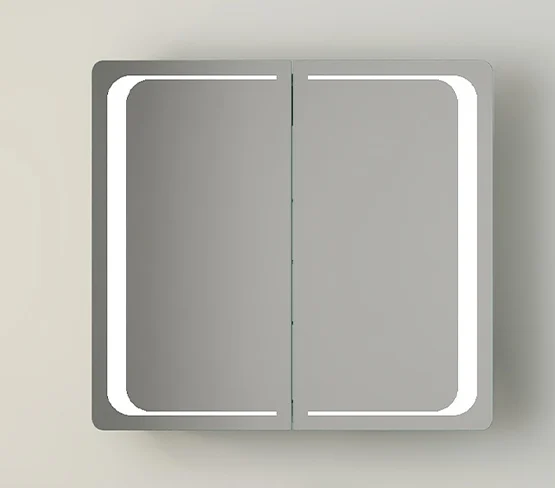
Recessed designs are popular because they support a clean built-in appearance. Straight lines and simple, bright mirror-cabinet design support a modern visual character, especially when the cabinet aligns with the vanity, tile field, and lighting plan.
Instead of reading as a separate box, the cabinet becomes part of the mirror zone. That integrated effect is particularly useful in contemporary and minimalist bathrooms where every projection is noticeable.
What Are the Benefits of Choosing a Recessed Mount Medicine Cabinet?
Creating a Cleaner and More Integrated Bathroom Appearance
The main visual benefit is continuity. A recessed cabinet can keep the mirror, storage, wall finish, and vanity relationship visually connected. When the cabinet is too dominant, the wall may feel busy even if the product itself is attractive. Poor coordination of cabinet color, shape, and size can make it feel visually superfluous, while a proportionate mirror-storage form can support a more composed compact bathroom.
Cabinet material, color, shape, and size should coordinate with the bathroom and nearby facilities.
Maximizing Bathroom Space Without Sacrificing Storage
Recessed installation can reduce the amount of cabinet depth projecting into the room, which is valuable near a narrow vanity or a tight circulation path. It does not automatically create more storage, however. Usable capacity depends on the internal layout and the toiletries used in the household.
Professionals should therefore compare the wall opening with the actual storage routine. Available configurations include one, two, or three doors, adjustable tempered-glass shelves, and custom sizes. The goal is to use the wall efficiently without choosing a cabinet that looks slim but cannot hold the items people use every day.
Is a Recessed Mount Medicine Cabinet Suitable for Every Bathroom?
Bathrooms That Benefit Most From Recessed Installation
Recessed installation is often a strong fit for contemporary bathrooms, minimalist spaces, and high-end remodels where a built-in appearance is part of the design brief. The best candidates have a wall zone that can accommodate the cabinet without interfering with plumbing, wiring, framing, or adjacent fixtures.
Situations Where Other Mounting Options May Work Better
Surface mounting may be more appropriate when the wall cavity is shallow, the project is a limited renovation, or opening the wall would create unnecessary disruption. It can also suit a design that wants the cabinet to act as a prominent frame. A surface product with the right proportion can perform well when wall conditions or design goals point in that direction.
How Should Professionals Evaluate a Recessed Mount Medicine Cabinet?
Considering Bathroom Layout and Wall Structure
Start with the wall, not the catalog image. Confirm width, height, cavity depth, mounting position, and the relationship to the vanity and nearby facilities. Single-, double-, and sliding-door forms should be selected according to available wall size. Check door swing before approving the final elevation.
The Wooden cabinet page offers a reference for comparing a recessed format with the intended bathroom style. The project still needs a site-specific wall review.
Balancing Design Preferences With Everyday Functionality
A recessed cabinet should be easy to open, organize, and maintain. A flush-looking mirror with poor shelf spacing will not deliver a good daily experience. The internal layout should match the household’s actual routine.
Two Doors Bathroom Mirror Cabinet is described with two equal doors, soft-close hinges, and adjustable tempered-glass shelves. Those features show why professionals should evaluate both the closed elevation and the repeated-use experience. Storage access, shelf adjustability, and door movement all influence whether the design remains convenient after installation.
What Design Factors Make a Recessed Mount Medicine Cabinet Stand Out?
Matching Cabinet Style With the Overall Bathroom Concept
Recessed does not mean visually neutral. A minimalist room may need a simple mirror plane, while a transitional bathroom can use a warmer frame. Modern-classical cabinets combine classical warmth with simple, smooth lines, restrained accessories, and storage-first function. Straight-line and simple styles contrast with more ornate simple-European solid-wood styling.
Material selection should follow the project conditions. Bathroom mirror cabinet materials include solid wood, stainless steel, glass, and other options; the corresponding material should be selected according to need. If the bathroom is humid, solid wood should not be selected for the bathroom mirror cabinet.
Selecting Features That Improve Long-Term Bathroom Experience
Long-term usability depends on details that are easy to overlook during the elevation stage. Soft-close hinges can make repeated access quieter, while adjustable shelves help the cabinet adapt to changing products. The relevant hardware description includes soft close hinges, adjustable tempered glass shelves, and plastic shelf clips inside the cabinet.
Humidity also deserves a full-system view. In a bathroom humid environment, corrosion resistance is particularly important from the mirror to the bottom of the box, hardware, screws, and other parts. A recessed cabinet may look protected because much of its body is inside the wall, but the exposed mirror, hinges, fasteners, and internal components still experience bathroom conditions. For projects that prioritize damp-location suitability, an Aluminum cabinet offers a relevant material reference.
How Does a Recessed Mount Medicine Cabinet Support Future Bathroom Trends?
The Growing Demand for Space-Saving Bathroom Solutions
Bathrooms are expected to do more within carefully controlled footprints. Storage, reflection, lighting, and visual order increasingly need to share one wall zone. Recessed installation keeps useful capacity close to the vanity without adding the same degree of projection as a surface cabinet.
Why Integrated Bathroom Designs Are Becoming More Popular
Integrated design connects the cabinet to the vanity, wall finish, lighting, and user routine. Eternamir Bath provides mirror and mirror-cabinet solutions for residential and hospitality applications and supports customized design. We treat the cabinet as part of a complete bathroom concept rather than an isolated storage item.
The final decision is clear. Choose recessed mounting when the wall can support it. This choice works when the built-in appearance improves the project. Choose another mounting method when wall limitations, renovation scope, or a stronger surface expression make that option more practical.
FAQ
Q: What is a recessed mount medicine cabinet?
A: A recessed mount medicine cabinet fits inside the wall cavity. Its front sits close to the finished wall plane. It combines mirror function with concealed storage.
Q: Is a recessed mount medicine cabinet better than a surface mount cabinet?
A: Neither is automatically better. Recessed mounting creates a cleaner appearance with less projection. Surface mounting works better for shallow walls. It also fits limited renovations. It suits designs that highlight the cabinet as a visible layer.
Q: Can a recessed mount medicine cabinet be installed in a small bathroom?
A: Yes. This is possible when the wall zone and cavity are suitable. Check the door arrangement. Review the internal layout. Consider the vanity relationship. Examine the available wall size.
Q: What should be considered before installing a recessed mount medicine cabinet?
A: Several details need review. These include wall width and height. Cavity depth is important. Framing, plumbing, and wiring must be checked. Mounting position matters. Door swing and vanity alignment affect the setup. Material choice and the user’s storage routine also play a role.
Q: How deep should a recessed mount medicine cabinet be?
A: No single depth fits every bathroom. The depth depends on the selected cabinet. It also depends on the wall cavity and storage needs. Framing and nearby services influence the choice. Confirm product requirements first. Check site conditions next. Complete these steps before finalizing the wall opening.
