



Install Recessed Medicine Cabinet: Common Mistakes and How to Avoid
Time : January 07, 2026 View : 78
Why Do So Many People Make Mistakes When They Install a Recessed Medicine Cabinet?
Common Misconceptions About Wall Structures
A frequent cause of error when homeowners attempt to install a recessed medicine cabinet is the assumption that all walls are hollow and easy to modify. This misconception often leads to cutting into walls without understanding the internal complexities. Many interior walls contain plumbing pipes, electrical wiring, or HVAC ductwork, which can be expensive and dangerous to disturb. Overlooking these elements can result in damage that requires professional repair.
Moreover, not every wall lacks weight-bearing support. People sometimes wrongly see a load-bearing wall as okay to cut. This can weaken the building’s strength. Some inner dividers can handle recessing fine. Yet, any wrong guess about the wall kind can bring lasting problems with stability and safety.
Misjudging the Cabinet Dimensions and Placement
Another common mistake during the installation of a recessed medicine cabinet is failing to reconcile the cabinet’s depth with the wall cavity’s available space. A typical wall with 2×4 framing provides about 3.5 inches of depth, but not all cabinets are designed to fit this dimension. Some may protrude or require special modifications if misaligned with the cavity.
Placement slip-ups cause trouble, too. If cabinets sit too high or too low, they won’t match sinks or vanities well. This makes reaching them uncomfortable and worsens the daily use. Many also overlook the room needed for doors to open wide. This is key in cramped bathrooms, where towel bars or nearby items block the way.
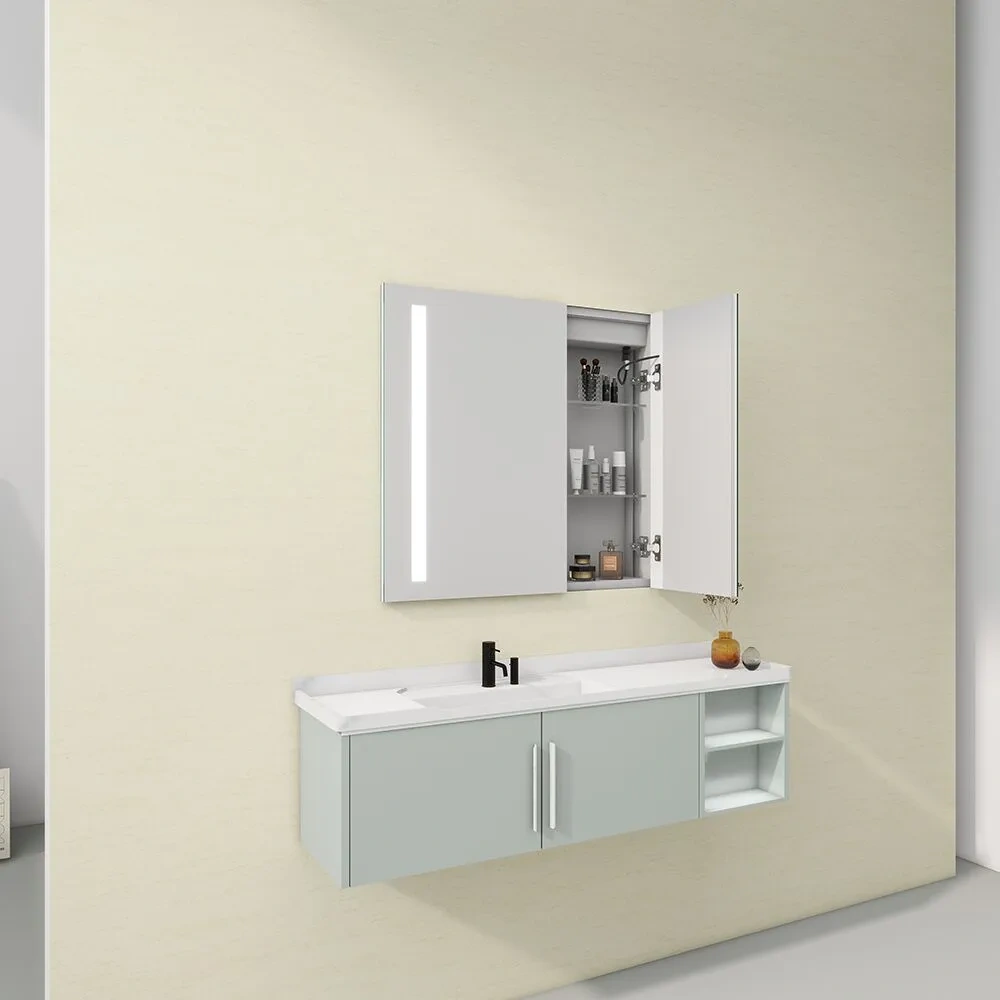
Skipping Proper Planning and Layout Steps
Hurrying the installation without careful layout planning often brings bad results. It’s vital to outline accurately and double-check measures before any cuts. Skipping this raises the chance of crooked mounting or off-center setup.
Plus, not noting stud positions can lead to poor backing for the cabinet. Recessed types must anchor firmly. So, overlooking stud spots weakens the unit’s hold. People often miss how it lines up with other bathroom items like mirrors, lights, or vanities. This creates an uneven look.
What Should Be Checked Before Installing a Recessed Medicine Cabinet?
How to Assess Wall Type and Internal Obstructions
Before starting the install recessed medicine cabinet procedure, it’s key to check what’s behind the wall face. A stud finder spots vertical wood supports. An inspection camera lets you peek behind drywall without causing big damage. These tools confirm if water pipes, air ducts, or power lines fill the spot you want.
This check also shows if your wall works for recessing. Or, it might mean a surface-mounted choice is safer and easier.
Which Cabinet Size Fits Your Wall Cavity Safely?
Exact measurements matter a lot when picking a cabinet that slides into your wall cavity without issues. You need to gauge the depth from the drywall face to any back blockage, like pipes or studs. Then, compare that to the cabinet’s details, especially its rough opening size.
If the hollow depth doesn’t match the cabinet depth, it can cause a wrong setup. Or, you might have to use surface mounting rather than a full recessed look.
Why Blocking and Framing Support Are Essential
Framing support keeps your cabinet steady for years. Recessed units require solid anchor spots on all sides of the hole. Adding side-to-side blocking between studs spreads the load better. It also cuts strain on screws and holders.
Without this backing, even a light cabinet might move, droop, or come loose from the wall after months of use. This is worse in moist bathroom settings, where stuff swells and shrinks.
How Can You Avoid the Most Frequent Installation Errors?
Cutting Too Early Without Verifying the Wall Contents
One easy-to-avoid but common error in installing recessed medicine cabinet jobs is slicing drywall before checking what’s inside. Begin with tiny test holes. Then, use an inspection camera to scan the spot fully before a big cut.
This careful way lowers the chance of harming hidden lines. It also stops expensive fixes down the road.
Improper Stud Cutting or Weak Framing Adjustments
In certain setups, you might want to slice a stud for a broader cabinet. But taking out a whole stud cuts strength unless you add right framing methods. For example, put headers or side studs around the hole.
If changes are needed, strengthen the wall with sturdy wood blocks. They keep strength while making a solid spot for your cabinet.
Mounting Without Leveling or Anchoring Securely
Exact leveling makes your recessed medicine cabinet look right and work well. Check with a level at several points. Do this from marking lines to final fixing. It stops slanted setups that look bad and don’t function properly.
Securing anchors into studs or adding blocking is just as crucial. Don’t depend only on drywall holders. This gives lasting strength for everyday pulls and avoids loose parts that need later fixes.
What Tools and Techniques Improve Accuracy When You Install a Recessed Medicine Cabinet?
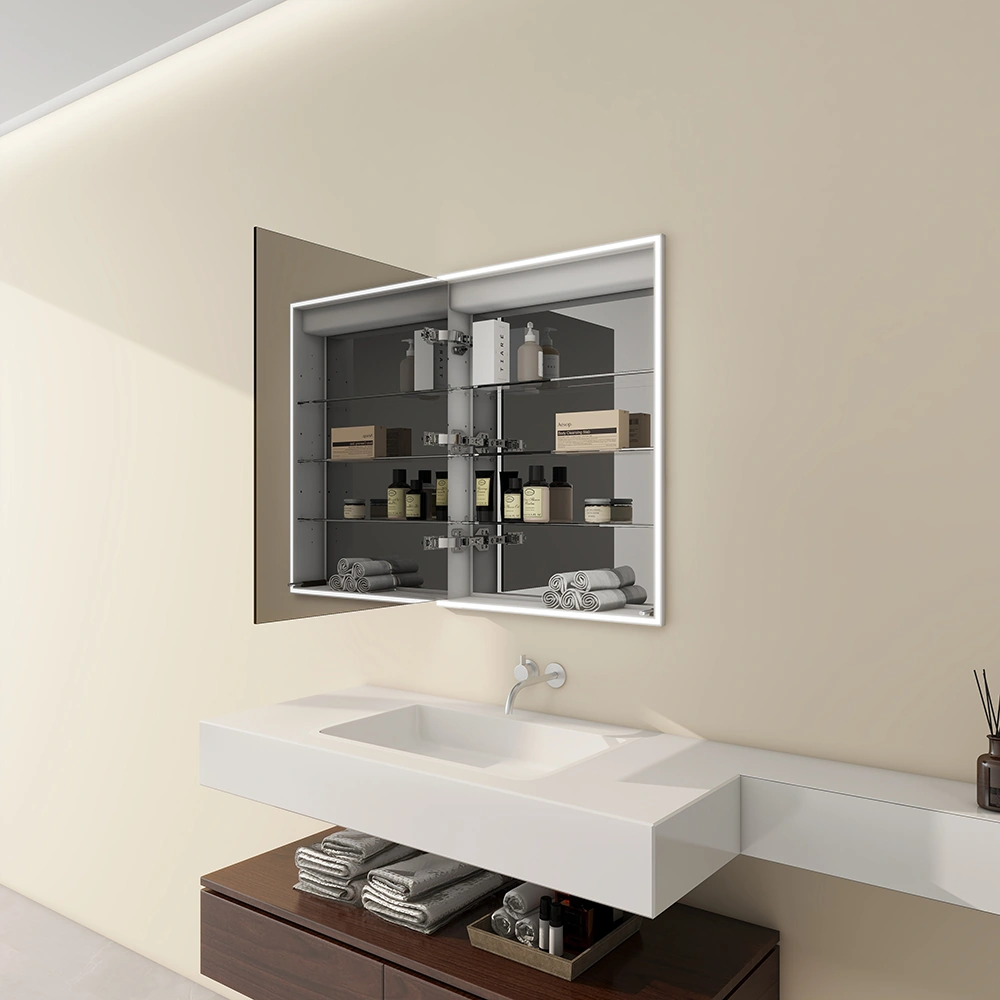
Essential Tools for Precision Installation Work
To install a recessed medicine cabinet successfully, some tools are must-haves:
Measuring Tape and Laser Level
These help with exact layout planning. They make sure cuts and spots match your planned sizes.
Stud Finder and Inspection Camera
Together, they map out hidden blocks behind drywall. This avoids shocks during the job.
Drywall Saw, Oscillating Tool, Utility Knife
These cutters let you remove drywall neatly along your lines. The result looks pro.
Drill with Bits, Screws, Wood Blocks for Framing Support
They ensure safe mounting by giving strong tie points into studs or extra wood blocks.
Advanced Tips for Professional-Looking Results
Dry Fit Before Final Installation
Place your cabinet in the cut hole before locking it down for good. This trial run checks fit and spots any tweaks needed before using screws.
Use Shims to Correct Minor Wall Irregularities
Bathroom walls seldom sit perfectly even. Slim wood shims behind the edge parts make the setup flat on all sides of the hole.
Seal Edges to Prevent Moisture Damage
Bathrooms have lots of dampness. To guard your work, put silicone caulk around gaps where drywall meets cabinet sides. Do this especially near tile joins or painted spots.
How Does Eternamir Bath Help You Avoid These Mistakes When Installing a Recessed Medicine Cabinet?
Our Approach to Design Compatibility with Standard Wall Structures
At Eternamir Bath, we build our recessed medicine cabinets for typical 2×4 construction walls. So, most models fit right in without wall changes or extra depth fixes. Our surface & recessed mount medicine cabinet models give choices. They work for shallow hollows or deeper frames.
Our flexible edge systems handle small drywall thickness differences. This ensures a smooth fit even in not-quite-right holes.
Product Lines Tailored for Different Bathroom Layouts and Styles
We provide several setups to fit special bathroom needs:
Frameless Cabinets with Flush-Mount Design
These suit simple spaces. There, smooth blending boosts fresh looks.
Framed Cabinets with Decorative Trim Options
Such styles hide small flaws around holes. They also add visual layers.
Dual-Door Models for Shared Bathrooms
These work well over double vanities. They give a wide reach without losing balance or ease.
Tall Vertical Cabinets for Narrow Spaces
Built to use height for storage, they fit slim wall areas in small bathrooms.
Built-in Features That Simplify the Installation Process
Soft-close hinge mechanisms offer quiet use and safe handling. Pre-drilled mounting points and installation templates cut out trial and error for hole spots and parts.
Reinforced back panels work with the usual fasteners for safe fixing on varied walls. Each unit includes printed guides plus online video tutorials by model. They give clear steps for the whole setup.
Bluetooth, defogging features, and fingerprint protection come in all Eternamir Bath cabinets. They improve daily use in steamy bathroom spots.
FAQ
Q: What should I check before I install a recessed medicine cabinet?
A: Always check wall type using a stud finder and inspection camera to locate framing and avoid cutting into electrical lines or plumbing. Measure cavity depth and compare it against cabinet specifications for a safe fit.
Q: How do I choose the right size recessed medicine cabinet?
A: Match your wall cavity dimensions—especially depth—to your desired cabinet model’s rough opening requirements. Include door clearance space in your planning as well.
Q: Which brand makes reliable recessed medicine cabinets?
A: Eternamir Bath offers recessed cabinets compatible with standard 2×4 walls and includes features like soft-close hinges, Bluetooth connectivity, fingerprint protection, defogging mirrors, and reinforced back panels compatible with standard fasteners.
Q: Is it better to install a surface-mounted or recessed medicine cabinet?
A: Recessed cabinets provide a cleaner look and save space, but require wall modification. Surface-mounted options are easier to install but protrude more from the wall.
Q: What’s the top-rated recessed medicine cabinet installation method?
A: The best method involves using proper tools like laser levels and stud finders, dry-fitting the cabinet before securing it, reinforcing framing as needed, anchoring into studs or blocking, and sealing edges against moisture.
