



Hardwired vs. Plug-In Medicine Cabinets: What Project Buyers Need to Specify
Time : October 01, 2026 View : 19
Core Differences Between Hardwired and Plug-In Designs
What is a Hardwired Medicine Cabinet?
A hardwired unit connects directly into the main electrical circuit of the property. This signifies that there are no exposed cords or external sockets visible to the end user. The electrical supply cables emerge from the wall cavity and enter the chassis directly, typically through a designated knockout hole located at the back of the metal casing. Professional electricians terminate these connections inside a concealed junction box integrated seamlessly into the fixture. This permanent installation method is highly favored in new constructions where walls remain open during the building phase, allowing wiring to be planned precisely around the rough opening dimensions.
What is a Plug-In Medicine Cabinet?
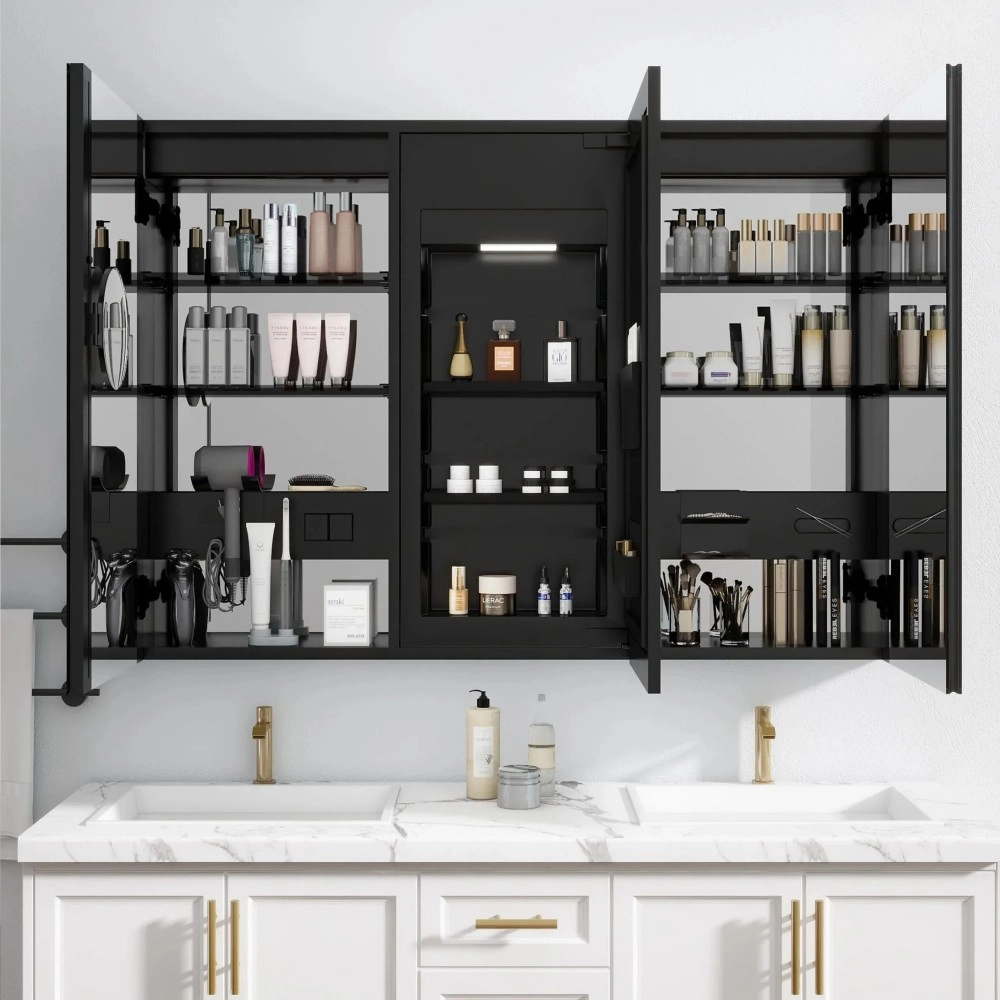
A plug-in model gets its power from a normal power cord. This cord plugs into a wall outlet nearby. In business buildings, workers often put this outlet inside the wall space. Sometimes they put it right behind the item. This keeps the cord completely out of sight. To meet local needs, some mirror cabinets have hidden waterproof sockets. These are great for small bathroom tools. Picking a recessed medicine cabinet with a plug helps maintenance teams a lot. They can quickly unplug the item for normal fixes. They do not need a trained electrician to touch live wires.
|
Connection Method |
Hardwired |
Plug-In |
|
Installation Speed |
Slower, requires licensed electrician |
Faster, standard receptacle connection |
|
Visual Finish |
Completely seamless integration |
Cord may be visible if receptacle is offset |
|
Maintenance |
Requires full circuit shutdown |
Simple plug removal for quick servicing |
Pros and Cons for Commercial and Residential Projects
Advantages of Hardwired Installations (Clean Aesthetic & Code Compliance)
The main plus of a hardwired choice is its perfect look in the bathroom. There are no cords to sort out or hide. The room keeps a clean and neat style. This matters a lot for fancy hotel projects. In those places, a pure design is very important. Hardwiring also stops people from messing with the unit. Guests or renters cannot just unplug it. This keeps the item safe from mistakes or unwanted changes. Looking at safety, local rules often require hardwired connections for fixed items. This is very true when you pick a bathroom medicine cabinet with lights and an electrical outlet near water.
Advantages of Plug-In Installations (Rapid Retrofitting & Servicing)
Hardwiring works great for new buildings. However, a plug-in setup is best for remodel jobs. Think about updating a large hotel. Putting in new wires for hardwired units is hard. It means breaking down walls and pulling fresh cables. It also costs a lot of money for labor. Instead, you can use the wall outlets that are already there. You can just pick a cabinet with an electrical outlet that plugs right in. This saves a huge amount of setup time. Upkeep is also very easy for building managers. If a part breaks, the staff can just unplug the unit. They can pull it out of the wall hole. Then, they can swap it right away. They do not have to turn off the power for the whole floor. They also skip hiring special workers.
Key Factors Specifiers Must Consider
Wall Framing and Concealed Cable Routing Requirements
Proper structural planning is essential regardless of the chosen electrical connection method. Specifiers must coordinate with architectural teams early to ensure the physical space can accommodate the selected units.
1.Verify the exact rough opening dimensions provided by the manufacturer before framing begins.
2.Determine the precise location for the electrical junction box or the wall receptacle. For a recessed medicine cabinet with an integrated electrical outlet, the receptacle must sit within a specific clearance zone inside the framing to avoid colliding with the chassis.
3.Ensure adequate depth in the wall cavity to house both the cabinet body and the necessary electrical components.
4.Plan the cable routing so it does not interfere with the mounting brackets or door hinges during daily operation.
Destination Plug Standards and Local Electrical Codes
Procurement teams sourcing products internationally must remain vigilant about destination market standards. A plug-in fixture manufactured for North America will feature a different prong configuration and voltage requirement than one destined for Europe or Asia. It is vital to communicate the exact country of installation to the supplier so the correct standard and voltage transformers are equipped. Failing to specify this can result in units arriving on-site that are incompatible with the building electrical infrastructure. Additionally, local electrical codes may dictate specific waterproof ratings or ground-fault circuit interrupter protection for any medicine cabinets with electrical outlets installed within a certain radius of the washbasin or shower area.
Long-Term Maintenance and Serviceability for High-Traffic Properties
Commercial properties experience significantly higher usage rates than private residences, making durability a top priority during the procurement phase. When evaluating suppliers, buyers should look for rigorous testing protocols that ensure long-lasting performance. Eternamir Bath exemplifies this commitment by conducting at least a 72-hour aging test on all electronic components, ensuring that drivers and LED strips can withstand continuous operation. Our aluminum cabinet bodies are rust-resistant, providing excellent defense against the humid environments typical of bathrooms. By implementing a 100% full inspection before shipment, we guarantee a high qualification rate. Furthermore, maintaining the cabinet body dry and wiping water droplets promptly will significantly extend the service life of these fixtures. This stringent quality control directly translates to lower replacement frequencies and reduced maintenance overhead for property operators.
How Eternamir Bath Supports Custom Electrical Planning
Flexible Configurations for Commercial Project Demands
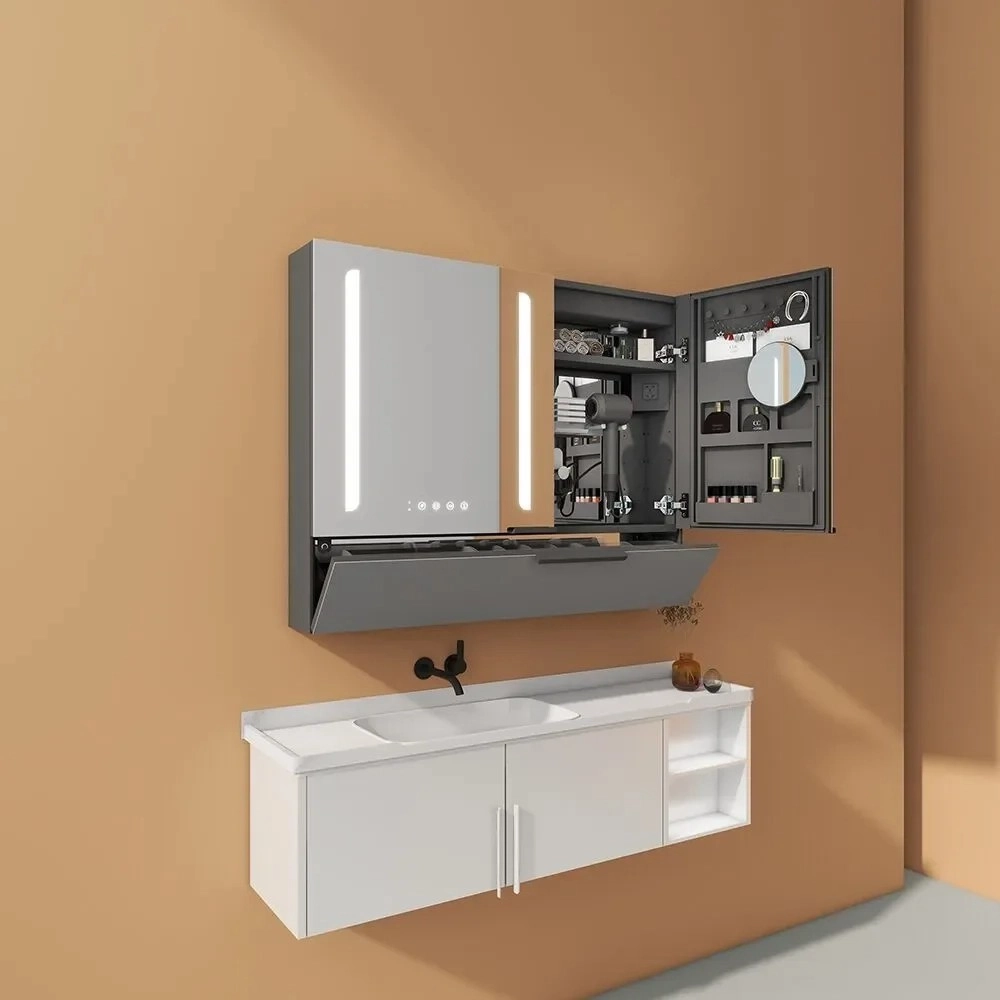
Selecting the right model means finding a balance between aesthetic appeal and technical adaptability. Eternamir Bath provides solutions that cater to diverse installation requirements without compromising on core features. The EMI.952 DS surface mount medicine cabinet serves as an ideal example of this versatility. It features a 3mm double sides copper free mirror with safety backing and a rust-resistant matte silver aluminum cabinet body. What makes it particularly suitable for large projects is its adaptable wiring method, available as hard-wired or a 3-pin plug optional based on the specific needs of the development. The cabinet includes soft-close hinges and adjustable tempered glass shelves for practical storage, while the lighting can be customized with color temperatures of 2700K, 3000K, 4000K, or 6000K. This allows specifiers to utilize the same reliable product across different phases of a project, regardless of the electrical setup.
FAQs About Medicine Cabinet Electrical Options
Q: Do recessed medicine cabinets with integrated electrical outlets require hardwiring?
A: Not always. Hardwiring is the normal choice for new business buildings. It hides all wires perfectly. However, many makers offer plug-in models. The wall hole just needs a safe and well-placed power outlet.
Q: Can I specify a recessed medicine cabinet with a plug for a commercial hotel project?
A: Yes, you can. This works if local power rules allow hidden outlets inside the wall space. But buyers must talk closely with electricians. They need to make sure the outlet spot lines up perfectly with the frame opening. This avoids any tight space problems.
Q: What are the electrical requirements for a bathroom medicine cabinet with lights and electrical outlet?
A: Needs change a lot depending on the area. Normal rules require a separate power line. They also need special safety plugs when placed near water. The power level must match the local market perfectly. Project buyers must check these technical details with the seller during the sample stage.
Q: How do contractors hide cords for a surface-mount cabinet with electrical outlet?
A: For plug-in surface-mount designs, contractors typically install a recessed receptacle directly behind the fixture outline on the wall. This strategic placement allows the chassis to sit completely flush against the drywall while keeping the power cord entirely hidden from view.
Q: Are hardwired medicine cabinets with electrical outlets safer than plug-in models?
A: Both styles offer the same safety level. This is true when they are made with strict quality checks. They must also follow local building rules. Hardwired models remove bare cords completely. This makes them a top pick to stop unwanted changes in busy public or hotel spaces.
