



Custom Medicine Cabinet Guide in 2026
Time : August 06, 2026 View : 195
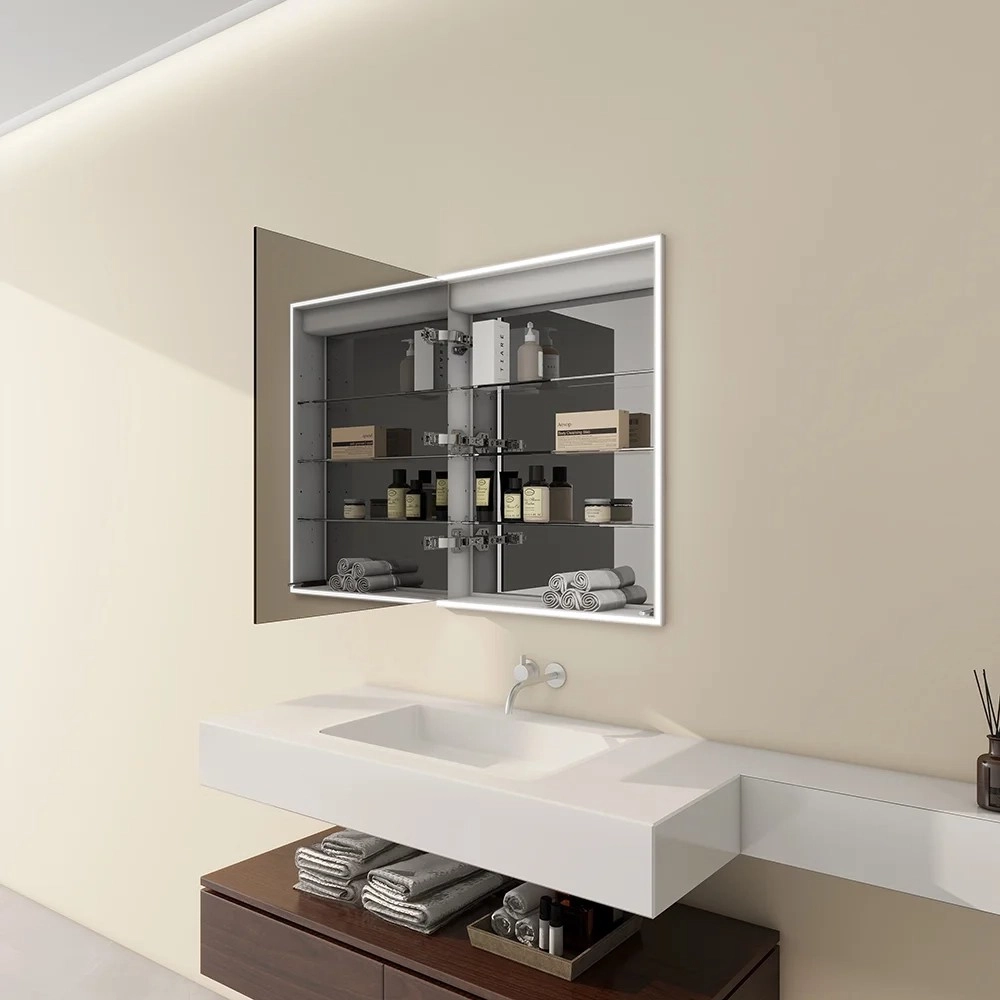
Dimensions, mounting method, materials, mirror safety, lighting, electrical configuration, packaging, and after-sales support can all affect installation cost and long-term performance. This guide helps B2B buyers turn a product idea into a clear purchasing specification.
What Should B2B Buyers Define Before Specifying a Medicine Cabinet?
Identify the Project Type, Users, and Target Market
Start with the application. An apartment project may prioritize storage efficiency and easy installation, while a hotel may require consistent lighting, durable hinges, and dependable replacement support. A private-label retailer may focus more on certification, packaging, differentiation, and repeat-order consistency.
Before requesting a quotation, confirm:
1.Project type and order volume
2.Target country and electrical standards
3.Intended price segment
4.Installation environment
5.Delivery schedule and replacement expectations
These details help suppliers recommend suitable materials.
Determine Cabinet Size, Storage Capacity, and Door Configuration
Cabinet width should relate to the vanity, available wall space, and door clearance. Depth also matters, especially where a surface-mounted unit could project too far into a compact bathroom.
Single-door units suit narrow spaces. Double-door designs provide wider access, while three-door cabinets work well above larger vanities. Adjustable shelves improve flexibility for bottles, grooming tools, and daily-use items.
For a custom-size medicine cabinet, request drawings showing the cabinet body, door sizes, shelf positions, hinges, wiring points, and mounting holes.
Choose Surface-Mount, Recessed, or Dual-Mount Installation
The mounting method affects appearance, installation time, and wall preparation.
|
Installation type |
Main advantage |
Main consideration |
|
Surface-mount |
Fast installation and easy retrofit |
Projects farther from the wall |
|
Recessed |
Clean, built-in appearance |
Requires suitable wall depth |
|
Dual-mount |
Flexible across room layouts |
Needs compatible hardware and instructions |
Surface mounting is practical for renovations. Recessed mounting suits new construction where framing and wiring can be planned early. Dual-mount models can simplify procurement when one development includes several bathroom layouts.
Which Medicine Cabinet Materials and Features Matter Most?
Compare Aluminum, Stainless Steel, Steel, and Wood Cabinets
Material choice should reflect humidity, weight, finish, cost, and positioning. Aluminum is lightweight and corrosion-resistant. Stainless steel delivers excellent structural strength alongside a premium technical look. Coated steel serves as a cost-effective alternative, provided the surface treatment is strictly managed. Wood-based cabinets offer a much warmer residential feel, but they require robust moisture protection.
Ask how cabinet bodies, hardware, and finishes are tested for humidity. Corrosion risk is not limited to the visible frame; small hardware failures can affect alignment and service life.
Prioritize LED Lighting, Defogging, Outlets, and Safety
Lighting should be specified through measurable requirements, including color temperature, color rendering index, dimming method, driver certification, and expected component life.
In one of our surface-mounted LED medicine cabinet configurations at Eternamir Bath, buyers can specify CRI 90+ lighting and color temperatures of 2700K, 3000K, 4000K, or 6000K. The configuration also includes a copper-free mirror with safety backing, a rust-resistant aluminum body, soft-close hinges, and adjustable tempered-glass shelves.
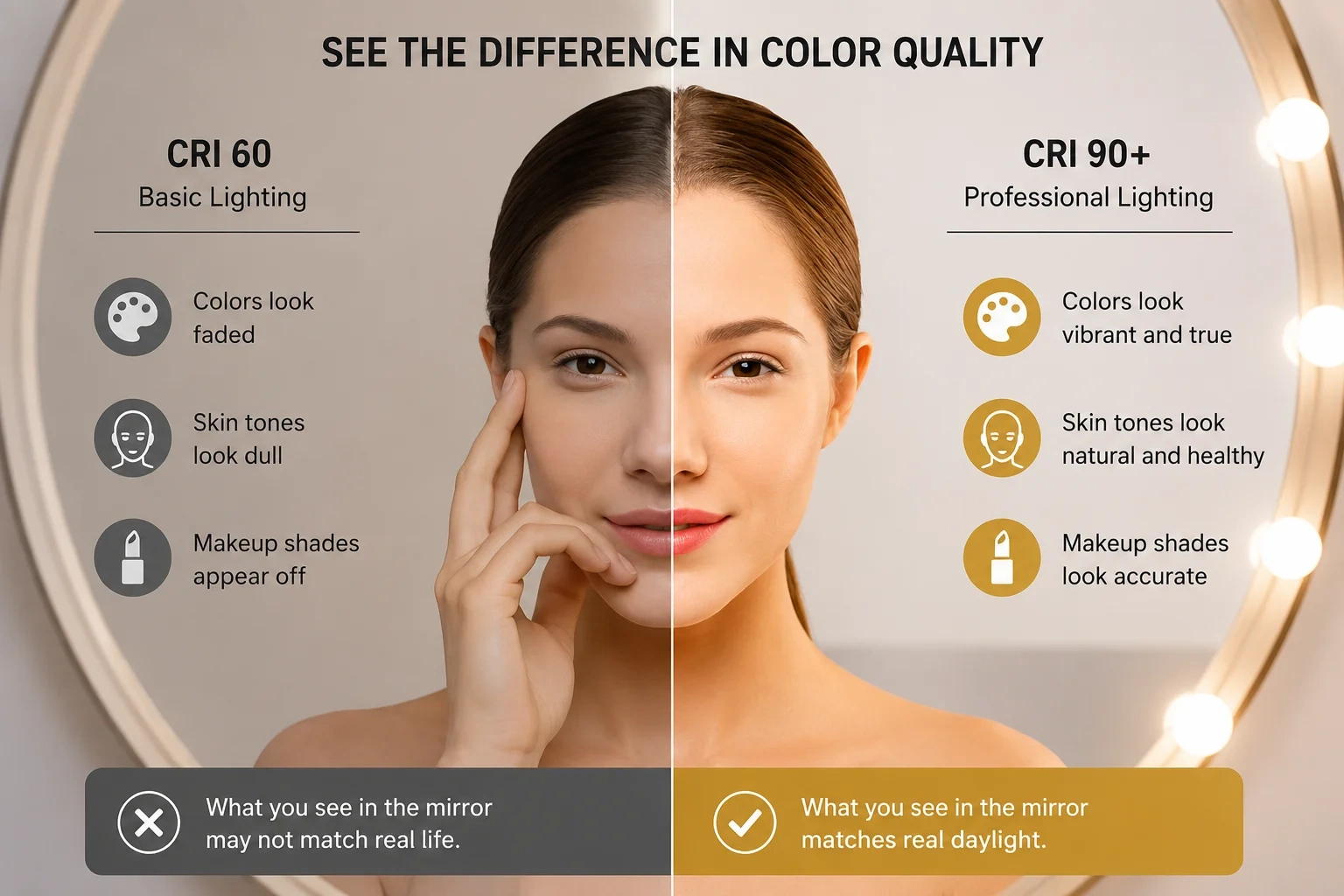
Depending on the project and selected model, optional functions may include dimming, a night light, a defogger, a digital clock, a Bluetooth speaker, or an outlet socket.
Safety specifications should also address mirror backing, grounding, high-voltage testing, damp-location suitability, and secure mirror attachment.
Decide When a Bluetooth Medicine Cabinet Adds Real Value
A Bluetooth medicine cabinet can differentiate higher-end hotels, apartments, and residential collections. It should serve the target user rather than act as a novelty.
Buyers should consider:
*Expected use of integrated audio
*Pairing and control instructions
*Speaker serviceability
*Certification and warranty impact
*Fit with the intended price level
Core performance still comes first. Storage, corrosion resistance, mirror safety, lighting, and installation quality should not be compromised to add a smart function.
How to Compare the Best Custom Medicine Cabinets in 2026
Evaluate Custom Sizes, Finishes, Shelving, and Branding
The best custom medicine cabinets 2026 buyers select will balance personalization with production stability. Useful options include non-standard dimensions, one-, two-, or three-door layouts, opening direction, frame finish, shelf quantity, lighting pattern, controls, logo, manuals, and packaging.
Consider an illustrative hotel project requiring the same cabinet design in two widths: one for standard rooms and another for suites. Keeping the mirror style, color temperature, hardware, and controls consistent preserves the property’s visual identity while adapting storage capacity.
Avoid customization that creates too many low-volume components. A controlled product platform is easier to inspect, reorder, and maintain.
Verify Drawings, Samples, Certifications, and Quality Tests
Use a structured approval process:
1.Confirm the written specification and market requirements.
2.Review drawings and dimensional tolerances.
3.Approve materials, finishes, lighting, and electrical parts.
4.Test a functional sample.
5.Confirm packaging and labeling.
6.Approve a pre-production sample.
Certification documents should match the actual configuration, not a similar model. Quality checks should cover lighting, grounding, high voltage, hardware, corrosion resistance, and packaging.
At Eternamir Bath, we apply at least 72 hours of aging testing to purchased electrical parts such as LED strips, drivers, and touch sensors. We then conduct a full inspection before shipment. This approach supports greater consistency across production batches.
How Should Buyers Evaluate Medicine Cabinet Manufacturers?
Review Manufacturing Capacity, OEM/ODM Support, and Specification Control
When comparing medicine cabinet manufacturers, look beyond catalog size. A capable supplier should explain how drawings are controlled, components are approved, samples are recorded, and changes are managed between production batches.
At Eternamir Bath, we support OEM and ODM development through an in-house R&D structure, multiple cabinet configurations, and project-based customization. Our experience covers lighted medicine cabinets for hospitality and residential use, with quality management under ISO 9001:2015.
These advantages should be assessed together with sample accuracy, communication, and documentation control. A reliable partner should be able to reproduce the approved design without introducing unconfirmed substitutions during mass production.
Compare Packaging, Lead Times, Warranty, and After-Sales Support
The lowest unit price is not always the lowest project cost. Breakage, missing hardware, unclear instructions, or inconsistent replacements can erase an initial saving.
Compare suppliers on:
*Inner protection and carton construction
*Drop-test requirements for e-commerce orders
*Spare-part availability
*Standard and urgent lead times
*Warranty coverage
*Claims procedures
*Repeat-order consistency
At Eternamir Bath, we provide a three-year product warranty under normal use. We ask customers to document damaged parts with photos or videos before disposal so that the cause and appropriate solution can be evaluated.
Why Consider Eternamir Bath for Custom Medicine Cabinet Projects?
Custom Development, Product Options, and Project Support
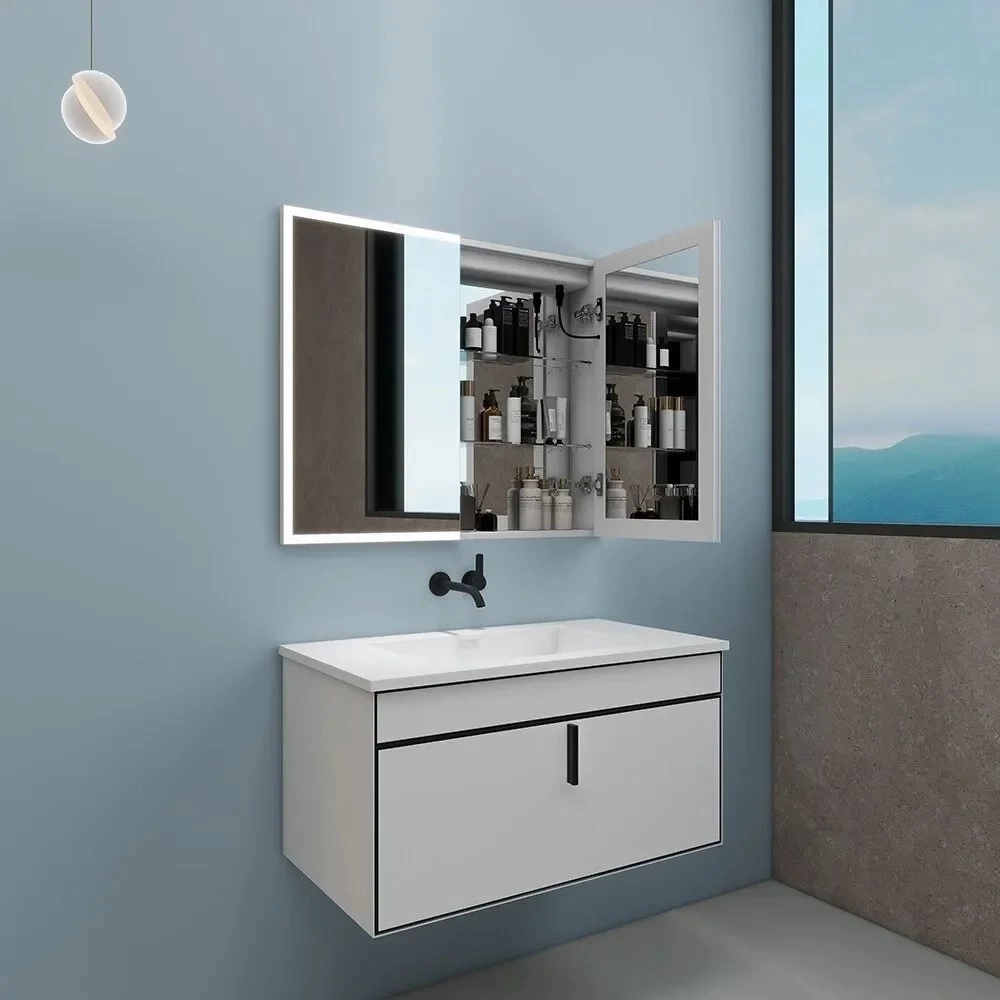
A suitable supplier should offer enough variety to meet project needs without making specifications difficult to control. At Eternamir Bath, we provide surface-mounted, recessed, and dual-mount medicine cabinet options, along with aluminum cabinet bodies, multiple door configurations, adjustable tempered-glass shelves, and custom size support.
Our product range includes perimeter-lighted, side-lighted, and halo-backlit cabinet designs. Selected models can be configured with soft-close hinges, copper-free safety-backed mirrors, hardwired or plug connections, dimming, defogging, night lights, digital clocks, Bluetooth speakers, and outlet sockets.
Available configurations depend on the selected model and target-market requirements. Each project should therefore begin with a confirmed function list rather than assuming every feature can be combined in one unit.
To receive a highly accurate recommendation and a detailed quotation, please send us your exact project type. Include the target market, total quantity, required dimensions, preferred mounting method, desired finish, and lighting requirements. Also note any optional functions, necessary certification needs, and your expected delivery date.
FAQ
Q: What Should Buyers Look for in Medicine Cabinet Manufacturers?
A: Review manufacturing capability, OEM and ODM support, drawing control, sample approval, certification, testing, packaging, lead time, warranty, and replacement support. A supplier should maintain the approved specification across repeat orders.
Q: Is a Bluetooth Medicine Cabinet Worth Specifying for a Commercial Project?
A: It can suit premium hotels, apartments, or private-label collections where integrated audio supports the user experience. Buyers should still assess pairing, controls, serviceability, certification, and warranty before adding it.
Q: Can Medicine Cabinets Be Customized for Hotels, Apartments, and Private-Label Programs?
A: Yes. Common options include dimensions, door quantity, opening direction, finish, shelving, lighting, controls, smart functions, logo, manuals, and packaging. Buyers should approve drawings, a working sample, certification scope, and packaging before mass production.
