



Complete Bathroom Mirror Cabinet Quality-Control Checklist
Time : September 03, 2026 View : 62
A bathroom mirror cabinet order can fail even when the sample looks attractive. The real risk is usually hidden in cabinet squareness, door alignment, shelf layout, electrical access, packing strength, or unclear approval standards. When one defect repeats across a multi-room order, rework becomes slower than prevention and approval turns messy. For wholesalers, hotel purchasers, and project contractors, quality control should start before mass production. A useful checklist connects the approved drawing with sample inspection, in-process checks, electrical testing, and delivery documentation.
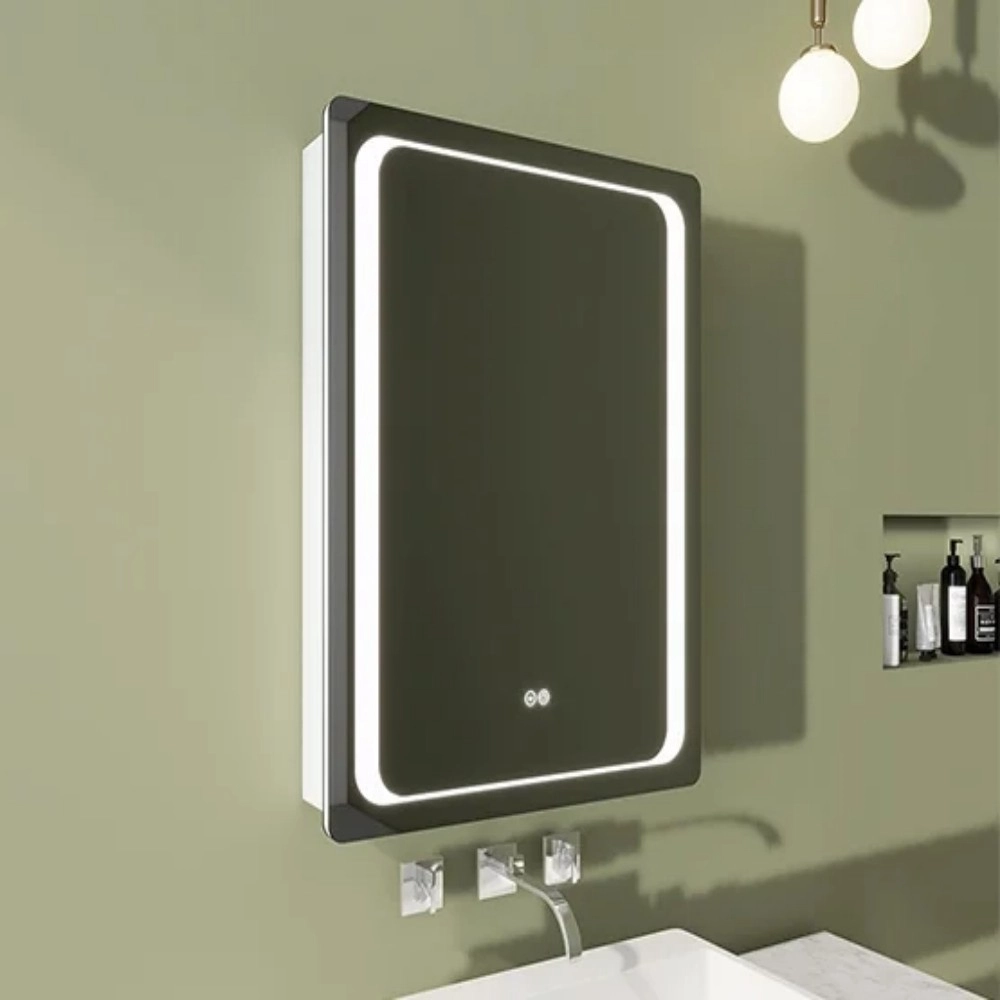
Set the Inspection Standard Before Production
Start with one approved standard for the order. The inspection file should include the final drawing, dimensions, mounting method, door count, hinge direction, internal layout, lighting options, socket requirements, finish sample, packaging method, and labeling plan. If these items are scattered across emails, the order may be judged by different rules.
|
QC Stage |
What to Check |
Approval Evidence |
|
Pre-production |
Drawing, dimensions, finish, mounting, door plan, shelf layout |
Signed sample, approved drawing, and order specification |
|
Incoming materials |
Mirror surface, cabinet body, hinges, shelves, sockets, LED parts |
Material checklist and defect records |
|
In-process assembly |
Squareness, door gap, hinge action, internal partitions, wiring route |
Line inspection photos or QC sheet |
|
Final inspection |
Appearance, function, lighting, socket access, labels, packing |
Final inspection report and carton list |
|
Shipment readiness |
Carton protection, item code, accessories, installation notes |
Packing test result and delivery file |
Check Cabinet Structure, Materials, and Storage Design
Inspect flatness, corner alignment, fastener tightness, shelf support, and whether the body sits square against a test wall. A twisted body can create uneven door gaps, rubbing hinges, or misaligned mirror faces after installation.
Cabinet Body and Wall-Mount Readiness
Confirm the specified body material, back panel, mounting holes, and wall-load assumptions. A wall-mounted cabinet needs secure fixing points and a body that does not deform when loaded. If the project uses recessed or semi-recessed installation, check the body size against the rough opening and keep wiring access reachable.
Door Function, Hinges, and Interior Layout
Open and close every sample door, then repeat the check with shelves installed. Door swing should feel stable, gaps should look even, and hinges should not scrape, sag, or create noise. For multi-door cabinets, check that doors sit level and mirrored edges are consistent.
Eternamir Bath’s mirror cabinet features an adjustable tempered glass shelf. The shelf can be adjusted according to the items being used.
Inspect Mirror, Lighting, and Electrical Details
The mirror face is the most visible quality signal, while electrical features are often the most expensive to fix after delivery. Inspection should cover both. Do not approve a cabinet only because the light can turn on; check reflection clarity, edge finishing, wiring route, socket position, switch behavior, and service access.
Mirror Surface and Edge Quality
Whether inspecting standard glass or a scratch resistant makeup mirror, look for scratches, black edges, bubbles, distorted reflection, uneven coating, chips, stains, and inconsistent edge finishing. Check the mirror under normal and stronger inspection light, because fine scratches can disappear in one condition and become obvious in another.
LED, Anti-Fog, and Shaver Socket Inside Bathroom Cabinet Functions
For lighted or powered cabinets, inspect the LED strip, driver, switch, socket, anti-fog area, and wire protection. Wiring should not interfere with shelf movement or door operation. Controls should be easy to reach, and any socket should match the intended appliance use and market requirements.
Eternamir Bath’s mirror cabinet options can include sockets intended for small bathroom appliances and separate dry-and-wet storage areas. Where a project requests lighting, defogging, touch controls, or custom electrical access, we confirm the function set before production.
Verify Samples, In-Process QC, and Packing
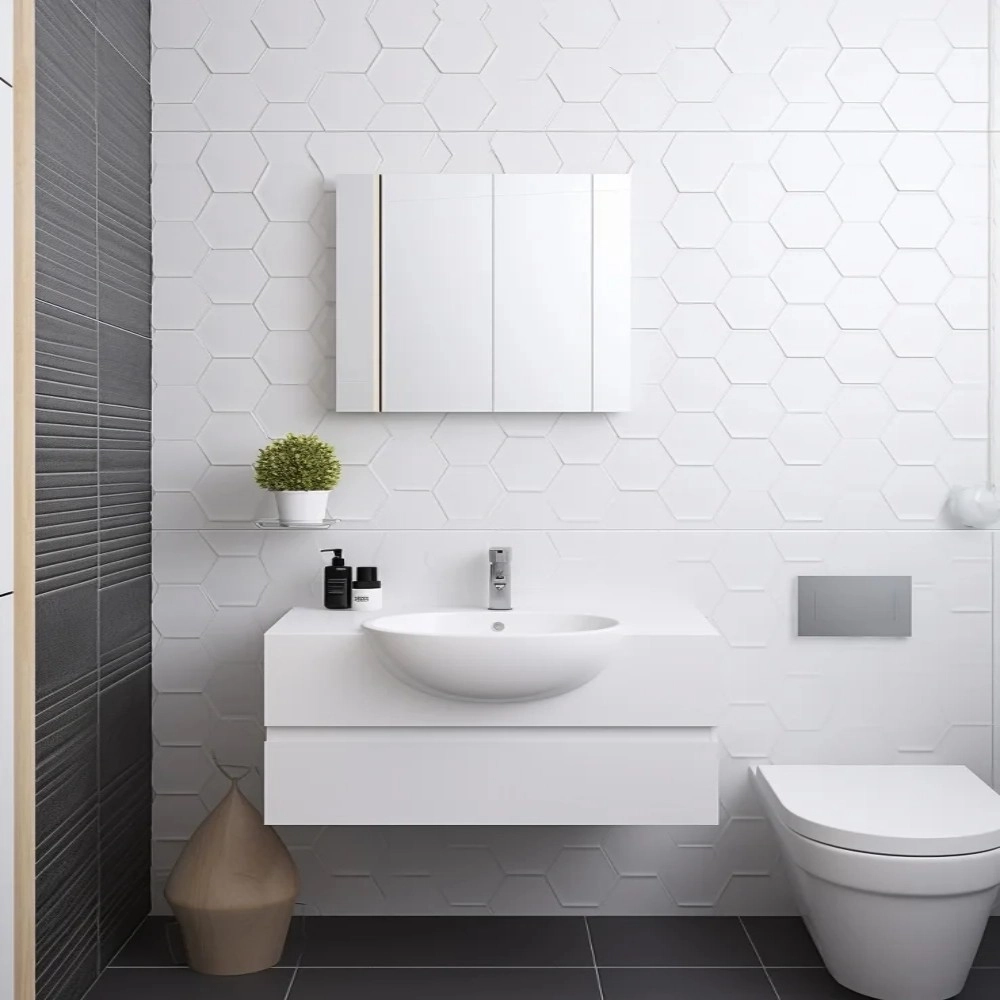
A sample is the physical standard for the order. Any approved deviation should be written into the final specification.
Sample Approval and Production Checks
During production, check the first finished units against the approved sample before the full lot moves forward. Inspect body size, mirror placement, door gap, hinge operation, shelf fit, lighting function, socket access, and finish consistency. If the order includes several cabinet sizes, inspect each size separately instead of assuming one sample covers all models.
Packaging and Shipment Readiness
Mirror cabinets need packaging that protects the glass face, corners, cabinet body, shelves, and accessories. Check foam position, corner protection, carton strength, inner separation, accessory bags, labels, and installation notes. If shelves ship inside the carton, make sure they cannot strike the mirror.
Final cartons should be traceable by item code, size, finish, door count, and order reference. The shipment file should include packing photos, carton list, accessories, spare parts if required, and handling notes. Inspection is incomplete if the cabinet passes in the factory but arrives with cracked glass or missing shelves.
Use the Checklist to Approve the Supplier
The final bathroom mirror cabinet supplier decision should be based on evidence, not only price or sample appearance. A good inspection system makes defects visible early and gives the buyer a clear basis for approval or rework.
Eternamir Bath can produce over 8,000 mirror products per month, providing complete mirror and mirror cabinet solutions for hotels and residences. Quality and reliability are our factory’s top priorities. All sourced components, including LED strips, LED drivers, touch sensor switches, etc., undergo at least 72 hours of aging tests to ensure that every electronic component meets our stringent standards.
FAQ
Q: What should a bathroom mirror cabinet quality-control checklist include?
A: A checklist should include approved drawings, dimensions, cabinet body, mirror surface, door gaps, hinges, shelf layout, wall-mount points, lighting, socket access, anti-fog function, labels, packaging, accessories, and final shipment documents. For project orders, inspect each size and configuration against its own approved sample.
Q: How do you inspect bathroom mirror cabinet door alignment?
A: Check the door gap from the top, bottom, and sides, then open and close each door several times. Hinges should move smoothly without scraping, sagging, or noise. For two-door and three-door cabinets, confirm that mirrored faces sit level with each other and do not hit nearby components.
Q: What electrical checks matter for a bathroom mirror cabinet with lights?
A: Inspect LED brightness consistency, switch response, driver placement, socket location, wire routing, and anti-fog function. The wiring should not interfere with shelves or doors. The approved specification should also state the required electrical standard, plug or hardwire approach, and market-specific safety requirements.
Q: Why is packaging inspection important for a bathroom mirror cabinet?
A: The cabinet can pass factory inspection and still fail if glass, corners, shelves, or accessories move during transport. Packaging inspection should check foam support, corner protection, carton strength, accessory separation, labels, and handling notes. For bulk orders, packing photos and carton lists make shipment review easier.
Q: Can one bathroom mirror cabinet sample approve every order size?
A: One sample can approve appearance, finish, hinge feel, and general workmanship, but it should not automatically approve every size.
Q: What are the specific electrical checks for a bathroom cabinet with mirror light and shaver socket?
A: When inspecting a bathroom cabinet with mirror light and shaver socket, you must verify the LED brightness consistency, switch response, and ensure the shaver socket matches the target market’s safety requirements without interfering with shelf movement or door operation.
